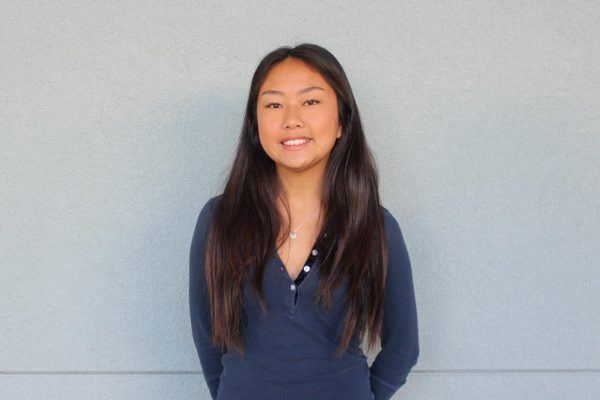
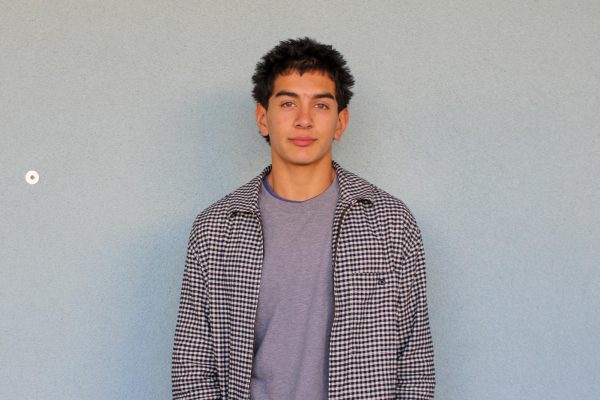
Study abroad programs bring new culture, lifelong friendships


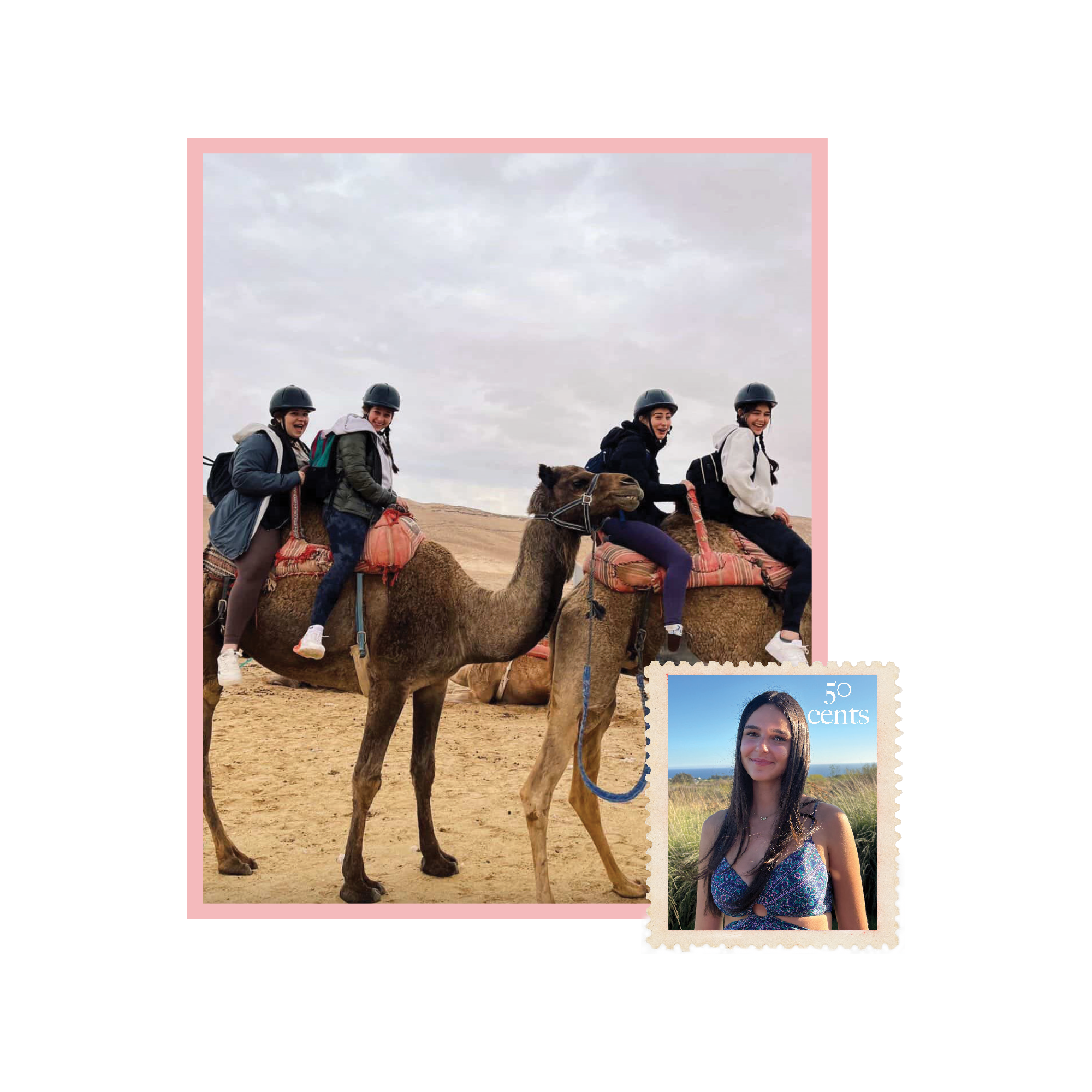
Sophomore year is often measured by grades and deadlines. But for senior Ava Rapoport, it was measured in distance. During one semester of sophomore year spent studying in Israel, Rapoport stepped outside what she describes as Palo Alto’s “bubble” in search of something less predictable.
“I think in Palo Alto there’s kind of a bubble, especially since there’s so much pressure at Gunn with grades and other aspects, so I wanted to try something different,” she said.
The idea of attending this exchange trip wasn’t new for her family, with her siblings having been on the same path of studying abroad.
“I decided to go at the beginning of freshman year because my three older sisters all did the same semester in Israel,” she said.
In Israel, Rapoport traded Palo Alto’s familiar routines for a new day-to-day life shaped by smaller classrooms and experimental learning. She spent mornings in smaller classrooms with 5 to 10 students, since everyone followed different class schedules. In the afternoons, learning often took place outside a conventional classroom, with students traveling throughout Israel on trips called “tiyuls” that combined exploration with history lessons. Some places that students visited included going on hikes or going to different museums.
Beyond the academic differences and the coursework, Rapoport began to reconsider what success meant in the new school system. She noticed that grades carried less cultural weight.
“I felt like the teachers cared more about your actual learning than the grades that you were getting,” she said.
Living abroad required her to become more independent, and in the process, she grew into it.
“(Studying abroad) was easier in that there was less pressure, but also more difficult since I didn’t have my parents telling me to do work, so I had to take that upon myself,” she said. “It’s kind of like in college, where you have to be more independent and get yourself motivated to do your work in general.”
Some of Rapoport’s most memorable moments came not from the classroom, but from conversations with locals, particularly as her visit to Israel came during the Israel-Hamas war. “Since I went during the war, it was really interesting to see their perspectives,” she said. “When you see the war from the outside and online versus in person, it’s different.”
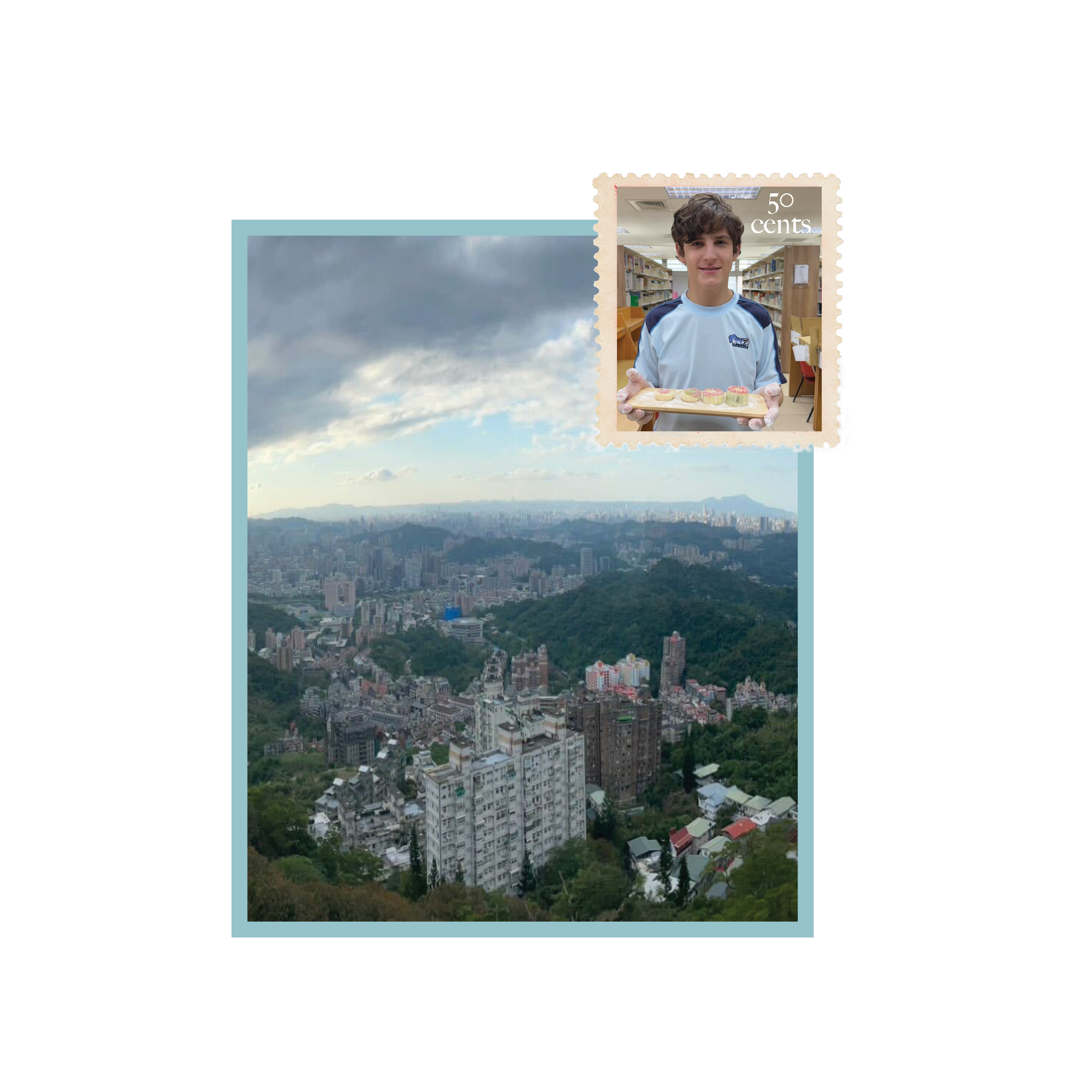
Sophomore Eli Zeitlin has always been drawn to first days, from the unfamiliar taste of a new dish to the disorientation of landing in a foreign country. It has always been easy, yet nothing quite prepared him for stepping off a plane in Taiwan for an exchange program armed with fewer than 15 words of the language.
“Especially when my Chinese was bad, I would just spend like hours in a day just sitting and listening to people speak Chinese, (which was) basically just gibberish to me,” he said.
Zeitlin arrived in early September determined to learn Chinese.
“From my experience living in another country and learning Spanish there, I know that the best way to learn a language was to just go to the country,” he said. “So I figured, if I can do (an) exchange (program) to Taiwan, then I’d come out with much better Chinese.”
Between his attempts to work with the language barrier and the societal differences, even Zeitlin’s naturally social persona found itself quieter than normal.
“I’m used to making friends pretty easily, but when I can’t speak the same language and if there’s different cultural stuff, I’m a whole different person basically,” he said. “I don’t have a full Chinese vocabulary at all, especially when I first got there, so it wasn’t as easy to match someone’s energy.”
With time, however, the adjustment softened. As his Chinese words came more readily, so did friendships. It was important for Zeitlin to show interest in even the smallest things while making new friends, such as one friend who convinced him to download a video game.
“I wasn’t really interested in (the video game) at all, but I thought I should download and learn how to play this game, just so we would have more to talk about,” Zeitlin said. “He was really excited to teach me about it, and I also discovered that he was a Rubik’s Cuber, so we bonded over that too.”
Throughout his experience, Zeitlin speaks most warmly about his memories with his host family.
“My host brothers were very good at English, so we’d have all sorts of great conversations,” he said. “It was always a lot of fun to have a bunch of kids to sit with and talk with every single night.”
By the end of the exchange, what he carried home was not improved fluency alone, but something else in his pocket: tolerance and appreciation for discomfort.
“I think my exchange trip to Taiwan has given me appreciation for doing things that are really difficult and doing things that are uncomfortable,” he said.
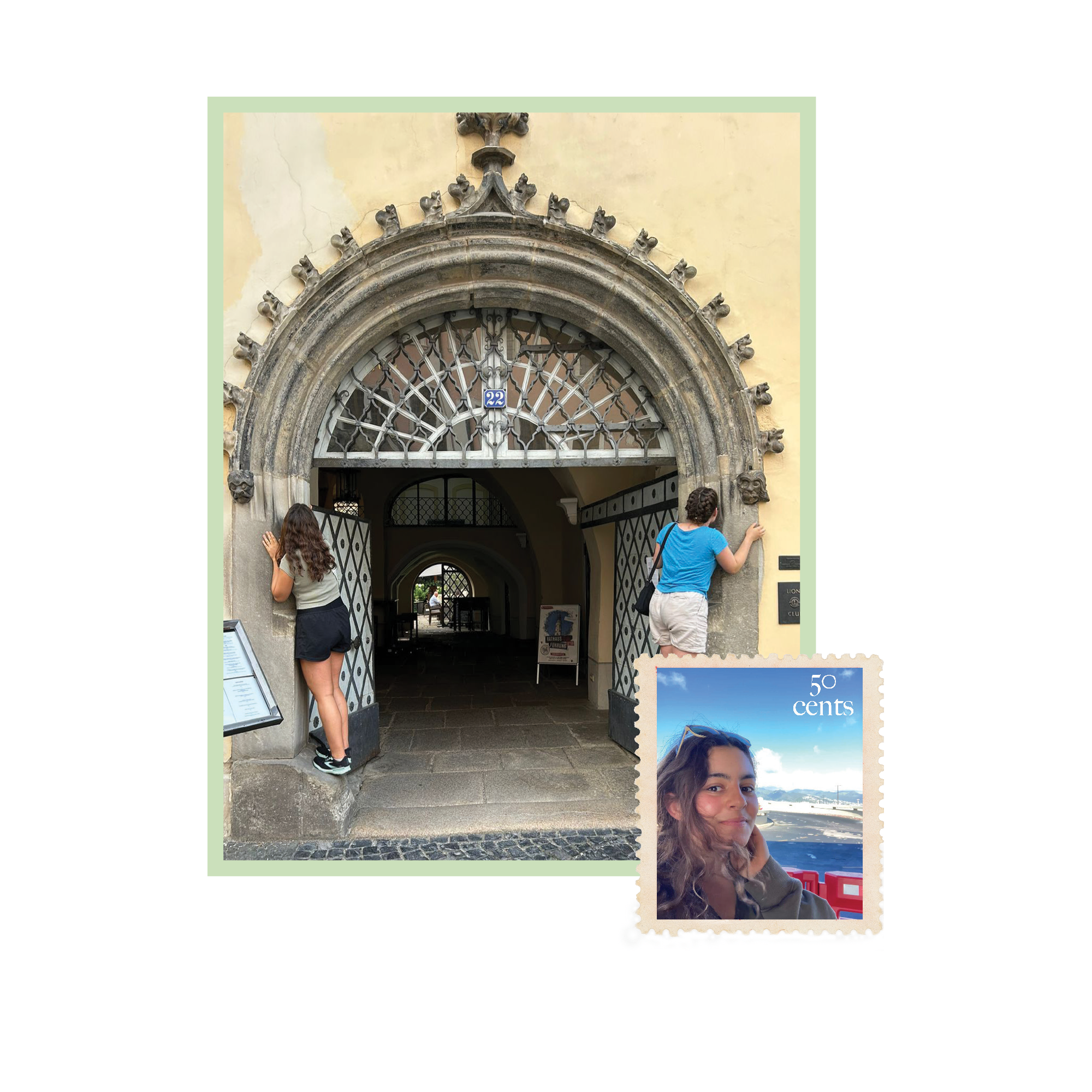
After spending a month studying abroad in Berlin last summer, junior Penelope Zeineh remembers not only landmarks, but immersion in Germany’s culture, society and language.
“I decided to go because I like learning about German culture, and I’ve been to Germany a few times before, so traveling there is always fun,” she said.
Zeineh first learned about the opportunity to study abroad with the Council on International Educational Exchange from both her German teacher and school counselor. With the AP German Language and Culture exam just around the corner and having time in her summer schedule, the decision felt natural.
Although she had been to Germany before, the exchange trip still offered new perspectives. A large part of her daily life was navigating Berlin’s public transportation system, which revealed differences in pace and independence compared with that of the United States.
“I think some of the big culture shocks were how big the train and bus systems were compared to cars,” she said.
With global travel more accessible than ever, studying abroad has become a popular way for high school students to expand their horizons and explore the world. For many students, it is more than just a trip: It is an opportunity to immerse themselves into a completely different way of life. Yet, the language barrier proved less formidable this time around.
“I already spoke German pretty well,” she said. “But for words that I didn’t know, I would just use Google Translate.”
Her daily routine in Berlin unfolded on both bus and train commutes. Mornings meant navigating public transit to class, attending morning classes and participating in afternoon activities before returning home from dinner.
“I don’t really have any regrets, but next time I’d carve out more time to hang out with friends while we were there,” Zeineh said.
When Zeineh looks back on her month in Germany, she remembers the important skills and habits it reshaped. Zeineh found that the experience improved her adaptability and problem-solving capabilities.
What lingers most, though, are the friendships, which Zeineh still remembers fondly. She still texts some classmates today, with the miles separating them reduced by glowing screens and memories.
For students who are considering a similar leap, her advice is less logistical than philosophical: arrive open minded and embrace challenges.
“You’re going to find a great group of people and lifelong friends, so go into it with an open mind,” she said.
Your donation will support the student journalists of Henry M. Gunn High School. Your contribution will allow us to purchase equipment and cover our annual website hosting costs.