Students’ family history influence activism in foreign policy


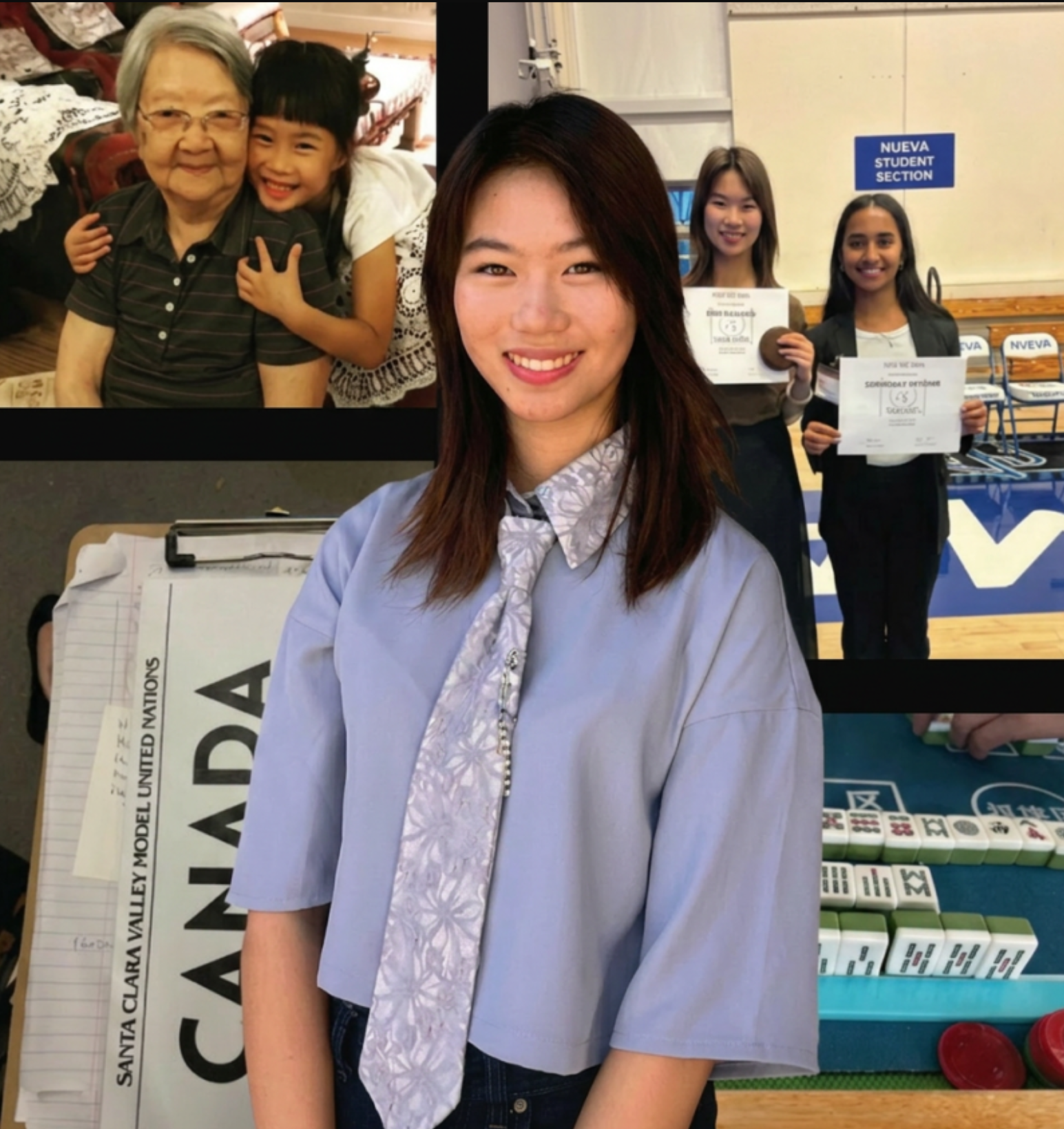
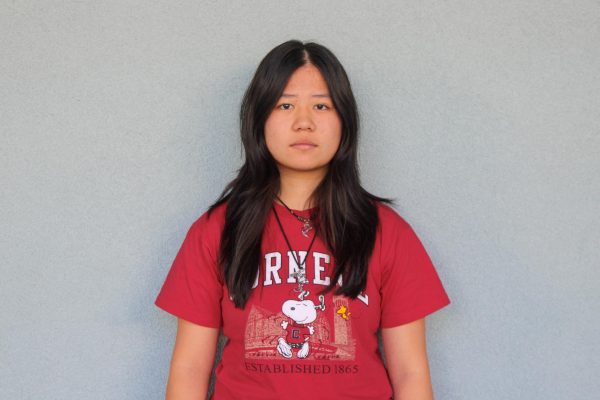
Growing up surrounded by both Japanese and Taiwanese culture, freshman Emma Chen often felt conflicted and ashamed of her multicultural heritage. But through her experience representing a variety of countries in Model United Nations, Chen has found pride for her culture and hope of future change in the world.
With the rise of the Stop Asian Hate Movement during the COVID-19 pandemic, many people questioned Chen’s ethnicity and assumed she was Chinese. Because of China’s tense history with Taiwan, when she revealed her heritage, she felt her identity was being questioned.
“I felt ashamed that I couldn’t really go outside and say I’m Taiwanese,” she said. “There’s this stigma about (being) Taiwanese and Chinese.”
The different social expectations of her two cultures have only exacerbated this view of her identity. For Chen, the traditional social expectations in Japanese culture of being reserved contradicted the outgoing nature of Taiwanese people. Despite this, Model UN has taught her that her culture and authentic personality were limitations but rather valuable assets.
“Taiwanese people, we’re loud, we talk,” she said. “Now after (exploring) more foreign policy, (I understand) that (the reason) I had felt ashamed of myself (can) actually make a difference in how we approach the world.”
At her most recent conference, Chen represents Estonia, a small, northern European country she describes as the “Silicon Valley of Europe.” Representing Estonia has revealed to her that small countries, like Taiwan, have just as many ambitions as larger ones.
“(Small countries) have a spot in the world,” she said. “(They) have goals, people and (shouldn’t) be overlooked just because (they) are small.”
Prior to representing countries in Model UN, she was introduced to foreign policy by her mother. Since then, she has been hooked by the potential to make real change in the world through international collaboration.
“Seeing (solutions being developed in Model UN) gives me hope that maybe someday I’ll be there,” she said. “Maybe someday what I’m doing now will actually make an impact.”
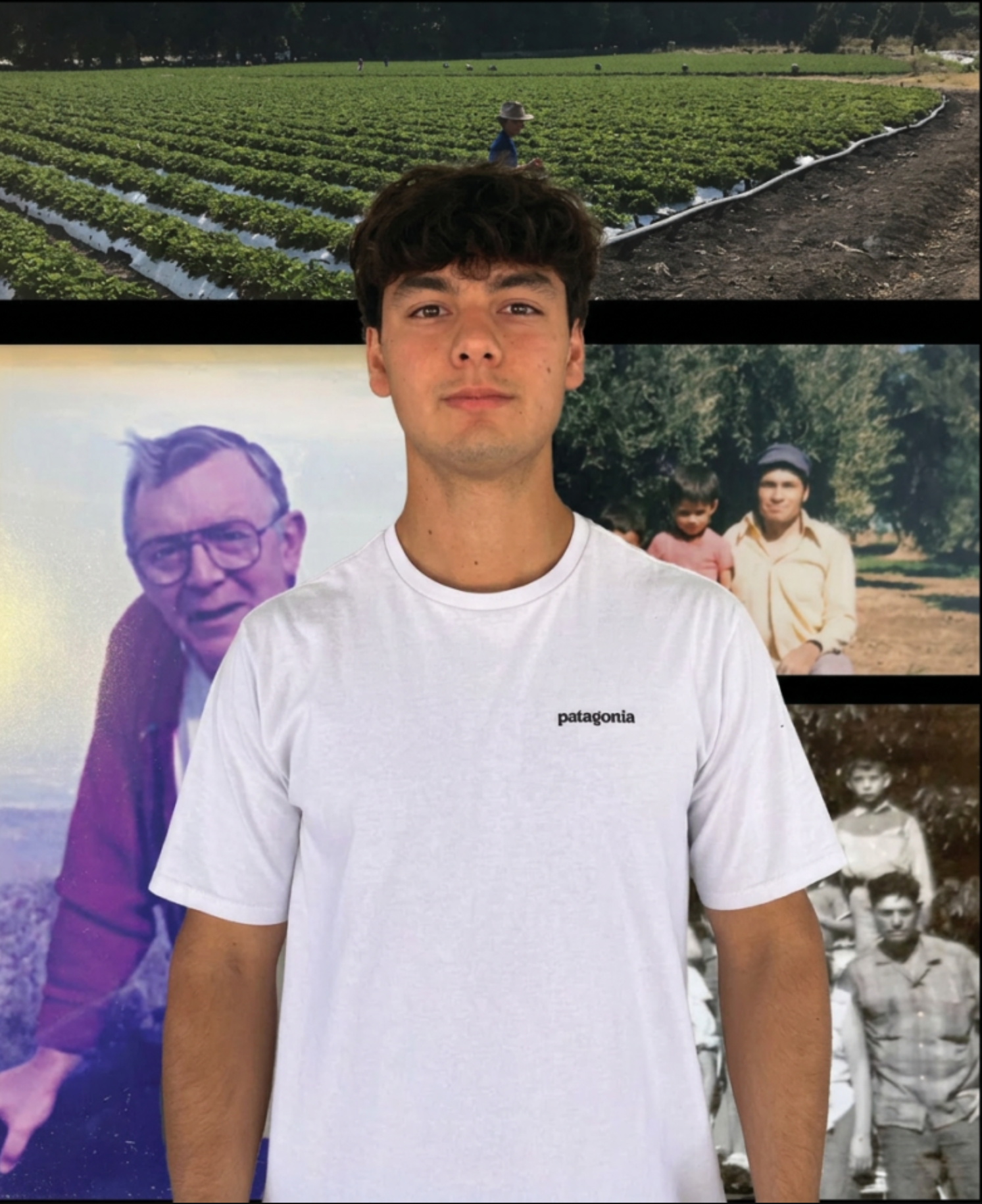
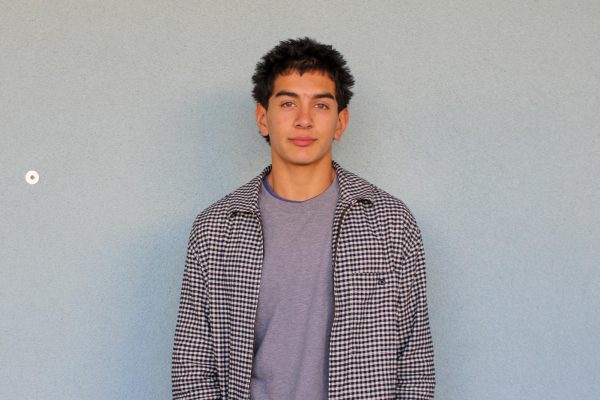
Migration, diplomacy and political change shape family histories, leaving indelible marks on the cultural inheritance of future generations. These experiences often shape how people understand themselves and their relation to global issues. For junior Gabriel Espinoza, hearing about his family’s intercontinental experiences —from living abroad to stories of government service — has sparked a curiosity about global relationships and how they can shape people’s lives. Espinoza’s family on his father’s side immigrated to the United States through the Bracero Program, a system that contracted Mexican laborers to work in the U.S agricultural industry during World War II. On his mother’s side, he has an uncle who worked for the Central Intelligence Agency during the height of the Cold War.
“Hearing stories about (my uncle’s) work, such as his involvement with the ‘Bridge of Spies’ hostage exchange, makes working in diplomacy or intelligence intriguing to me,” he said. “I also have family that still resides in Mexico, and connecting with them makes me very interested in our countries’ relationship, which is something I’m currently researching for (my foreign policy class).”
These family experiences also deepen how Espinoza understands global relationships and cultural differences, exposing him early on to cross-cultural perspectives and the connectivity between separate countries. Due to this perspective, Espinoza pays closer attention to current events and the government decisions.
“I think (my relation to foreign policy) definitely makes me more conscious about decisions that are made at the federal level, and how these decisions affect people within or outside a country,” he said.
His awareness has only increased in U.S. Foreign Policy Honors, a class where Espinoza has been able to connect his personal interest in international relations with formal academic study.
“The class gives you a lot of segue to further interest in foreign policy,” he said. “It (provides) a good learning opportunity for anyone who wants to get a better sense of how the world works.”
As he continues exploring the subject, Espinoza has also begun to see how his passion could shape his future.
“(I’ve become) interested in working in a career in public service,” he said. “I think being in (U.S. Foreign Policy Honors) has really made me more interested in working in something connected to diplomacy, and I want to be able to impact and help people around the world.”
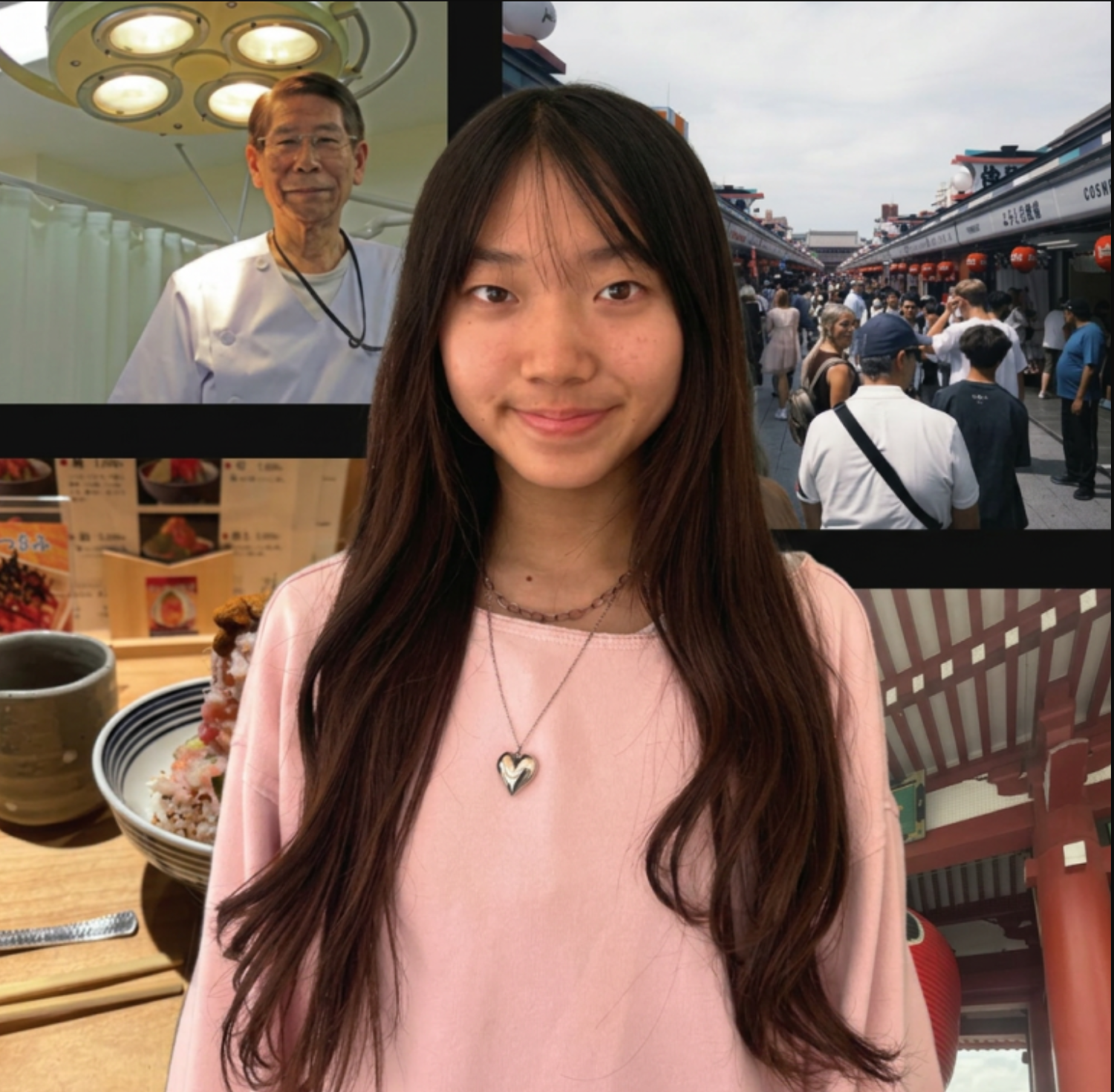
While many childhood memories relate to vacations or school, for sophomore Erin Tsutsui, it was her grandfather’s stories. Tsutsui’s grandfather, K?ki, was four years old when the United States dropped an atomic bomb on Hiroshima where he lived. With immediate death tolls estimated at 70,000 to 80,000 people, K?ki and his family were very fortunate to have survived.
Since then, Tsutsui has heard firsthand accounts of what transpired, and those stories, filled with both resilience and loss, left a lasting impression on her. These accounts have helped her develop an interest in foreign policy.
“(I’m interested in) how we can shape a future that’s oriented towards peace, especially (stepping) away from nuclear weapons,” she said.
For Tsutsui, these global issues aren’t distant headlines. Hearing about the horror of nuclear weapons from someone who experienced it themselves gave her a perspective that most people never see. To share her family’s history, Tsutsui delivered a TED Talk. She feels that despite their youth, teenagers can still contribute to moving in a positive direction globally.
“I think that we are able to change the trajectory
of our world,” she said.
True to her word, Tsutsui ventures outside the classroom to participate in the Stanford Program on International and Cross-Cultural Education, where she takes part in discussions regarding relations between the U.S. and Japan, with a focus on how the U.S. and Japan can cooperate in a global context.
Tsutsui has also used her passion to try and create real change: she has spoken with California Congressman Sam Liccardo to discuss current legislation about limiting presidential power to launch nuclear weapons and is currently working on a research paper on atomic bomb survivors and nuclear policy within the U.S. and Japan. Rooted in her grandfather’s survival, Tsutsui is turning inherited memory into actions, working to ensure that the tragedies of the past are used to guide us into a peaceful future.
Your donation will support the student journalists of Henry M. Gunn High School. Your contribution will allow us to purchase equipment and cover our annual website hosting costs.