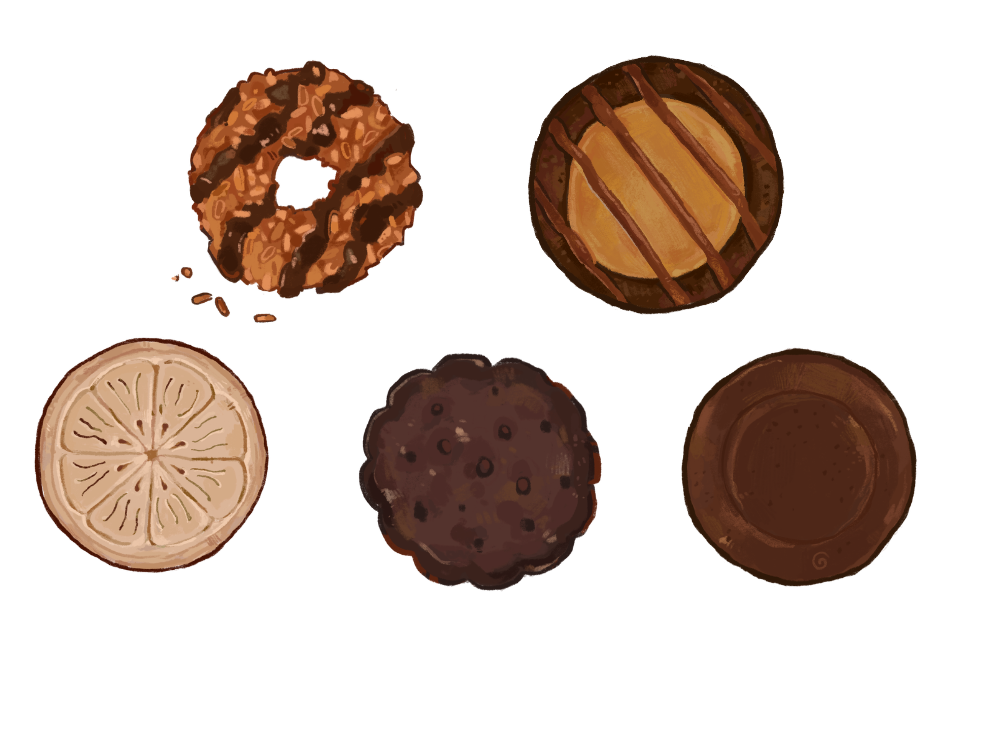
In the United States, spring announces itself not only with warmer days and blooming flowers, but with the familiar sight of Girl Scout Cookie booths lining sidewalks and storefronts — a seasonal ritual that has become quintessentially American. Although this program has endured since 1917, just five years after the organization was initially founded, it has evolved over the years from modest local bake sales into a nationwide enterprise funding leadership development for millions of girls. In 2026, Girl Scout troops offer nine flavors for $6 to $7 per box: Thin Mints, Caramel DeLites, Peanut Butter Patties, Trefoils, Peanut Butter Sandwich, Lemonades, Adventurefuls, Caramel Chocolate Chip and Exploremores.
In 1917, the Girl Scouts of the Mistletoe Troop in Muskogee, Oklahoma baked and sold homemade cookies at their local high school cafeteria to raise money for troop activities, laying the groundwork for what is now the largest girl-led entrepreneurial program in the world. This idea gained traction in the 1920s after Chicago regional director Florence E. Niel publicized a sugar cookie recipe in The American Girl magazine, suggesting troops across the United States organize their own sales. Throughout the decade, the girls baked the cookies themselves and packaged them in wax paper bags, selling each dozen door-to-door for 25-35 cents.
In the 1930s, the Girl Scouts revolutionized cookie sales by commercializing and streamlining their production process. In 1933, the Girl Scouts of Greater Philadelphia Council made sales at Philadelphia Gas and Electric Company’s windows, and a year later, they made the first commercially baked Girl Scout Cookie sales. By 1936, in response to growing demand while also aiming to use cookie sales as means to develop the young girls’ marketing skills, Girl Scouts licensed commercial baker Keebler-Weyl Bakery, then Southern Biscuit Company and Burry Biscuit, to produce cookies for nationwide troop sales.
After experimenting with dozens of licensed bakeries — and even a hiatus to sell calendars instead of cookies during World War II — Girl Scouts transitioned to only ABC Bakers and Little Brownie Bakers in the 1990s, which remain the organization’s sole manufacturers today. As a result, many flavors are sold under two names depending on the supplier: Caramel deLites are Samoas from Little Brownie Bakers, Peanut Butter Patties the same as Tagalongs and Peanut Butter Sandwiches also known as Do-si-dos.
The dual-bakery system both created discrepancies in branding and shaped the evolution of flavors over time. Simple sugar cookies in the program’s earliest years advanced into three original varieties by the 1950s: Sandwich (Peanut Butter Sandwich), Shortbread (Trefoils) and Chocolate Mints (Thin Mints). The introduction of chocolate-coated mint cookies was a pivotal turning point in flavor development, establishing what would become the organization’s perennial bestseller.
However, not all new flavors were as successful as Thin Mints. Over 50 cookie flavors have been discontinued due to declining sales or shifting production strategies, such as the caramel-pecan Juliettes, fudge-dipped shortbread Thanks-A-Lots, limited-edition 2023 Raspberry Rallys and lemony powdered sugar-covered Savannah Smiles.
More than a century after the first batch of Girl Scout Cookies were sold, these cookies represent more than a seasonal indulgence. Annual sales serve as opportunities for young girls across the country to develop entrepreneurial and life skills like goal setting, money management, and interpersonal communication. In that sense, the evolution and expansion of flavors mirrors the purpose of the organization itself: to promote innovation and growth rooted in opportunity.