Debate has sparked between players, families and city staff in recent months on whether to keep synthetic turf at Cubberley Soccer Field in Palo Alto or change the fields into grass. Additionally, in November, a divided City Council was unable to reach a decision on whether to remodel the old turf at El Camino Park with new turf or grass. Urged by the public to opt for natural grass, the council battled with the division between the turf’s practical application for soccer players and preservationist benefits behind using a natural material.
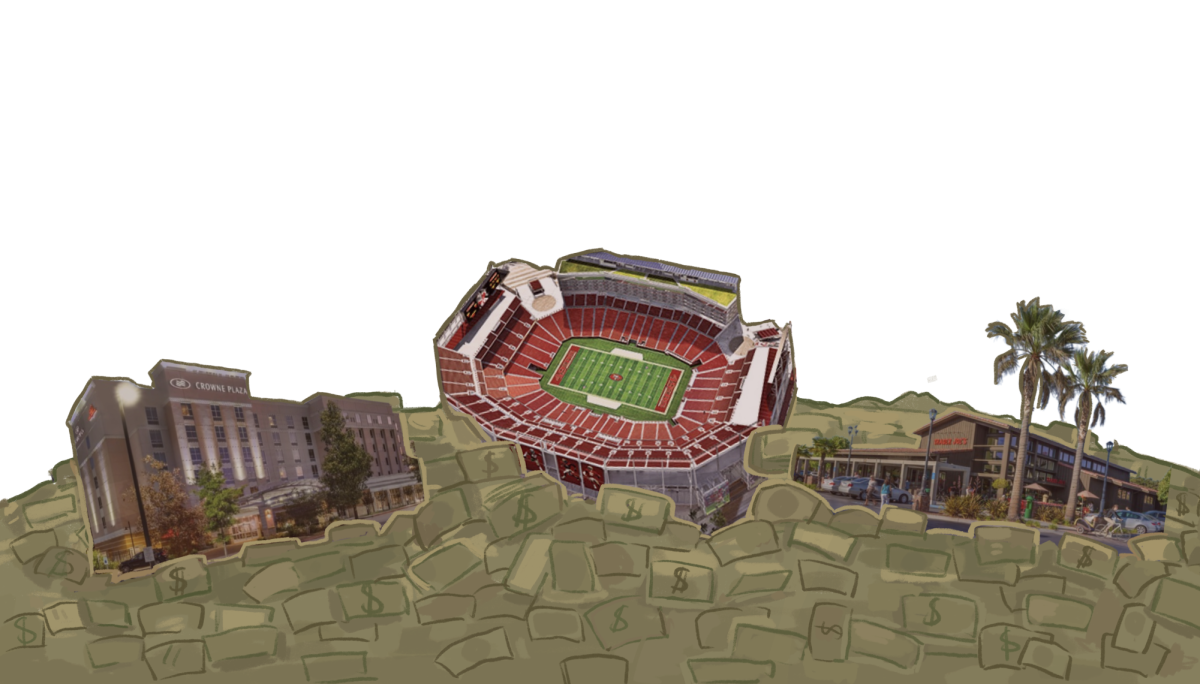
The postponed decision reveals the difficulty of the choice as local governments expressed their concerns for the environment conservation and high costs. Voices from players and coaches amplify the practicality of turf, while environmental advocates and city council members emphasize the potential of leaking microplastics and chemical contamination affecting field surroundings. Players and coaches show their favor in turf for its greater playtime quality as natural grass becomes muddy during the winter season.
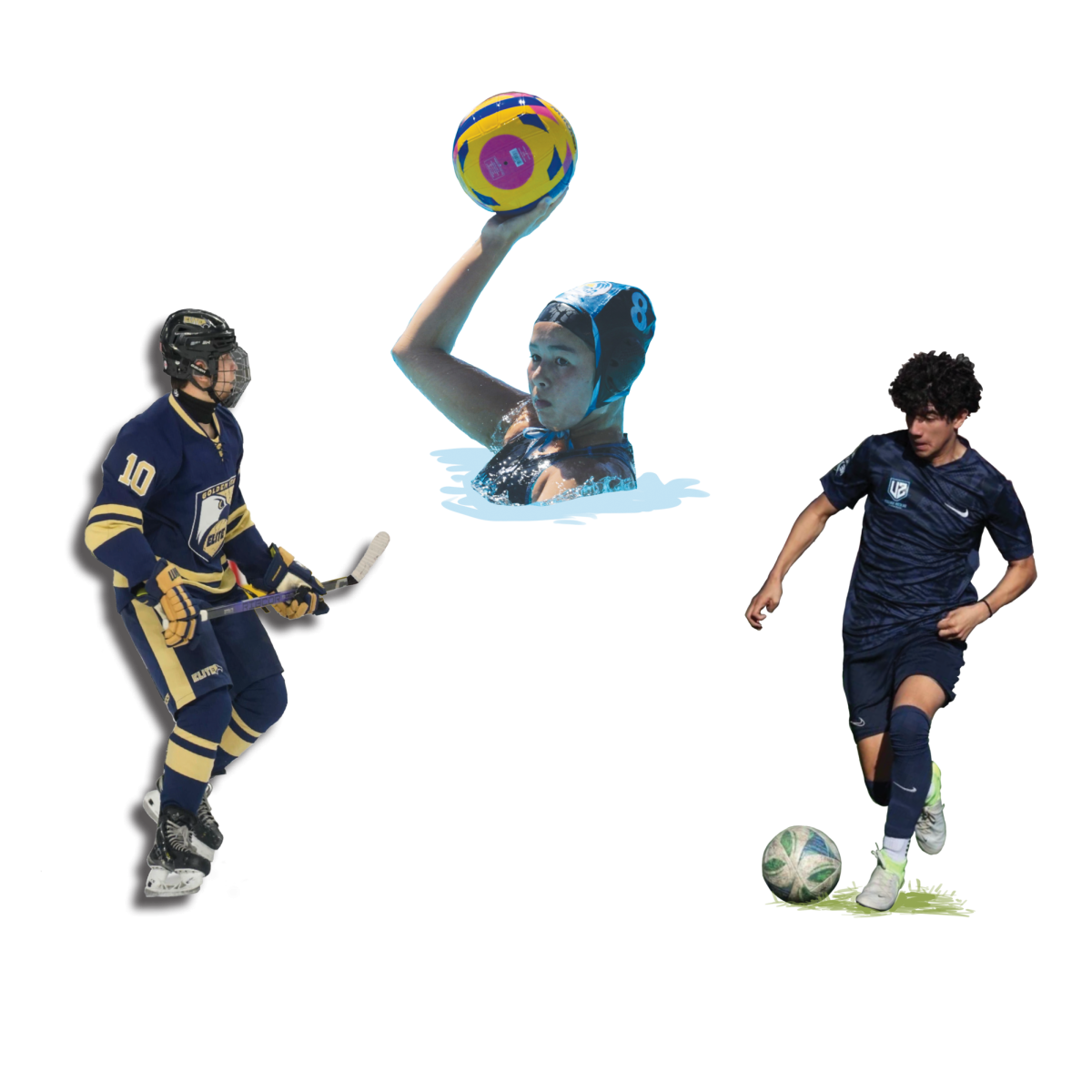
Soccer players junior Edo Yasu and sophomore Kinnera Jagarlamudi have spoken out about their experience with turf yielding cooler surfaces and injury-free games. Yasu, who has played on Cubberley Field’s turf for seven years, described the risks when grass degrades, such as inconsistency across different pitches.
“I prefer playing soccer on turf because it’s overall more smooth and never goes wrong,” he said. “Grass once in a while can be bad grass or grade grass, while turf is always just perfect. They should be changed to turf because of the maintenance and just the general place of how the turf itself feels.”
Jagarlamudi, who began playing when the school season started, shares her fresh experience on the Gunn turf soccer fields. “I prefer to play on the turf because I feel like it is more organized,” she said. “It doesn’t interfere with my play and others’ play.”
Their preference reflects how synthetic turf can withstand more play and safety than natural grass without deteriorating. For many players, the reliability of a turf field means fewer injuries and an overall smooth game. According to Yasu, keeping the field material the same would help put his team and other teams’ minds at ease.
“I think by changing the field material to turf, it will affect my personal soccer team in the way that we can play on better fields without worrying about it and playing the best we can each game in each field,” he said.
However, the opinions of environmental advocates overrode the teams that run the field in legislation. Palo Alto City Council member Greer Stone voted against fellow City Council member Julie Lythcott-Haims’ motion for turf at El Camino and weighed the heavier consequences of turf over grass.
“Public health cannot be outweighed by marginal improvements in scheduling reliability, and to me, prioritizing play hours over health and environmental risk is not true stewardship,” he said.
A study conducted by Lloyd Consulting Group found artificial turf more reasonable and compatible for El Camino due to increasing playing hours.
For now, no formal decision has been made to change Cubberley Soccer Field’s material. City staff have suggested a hybrid approach by installing turf in soccer fields like El Camino with higher playing capacity and implementing a natural grass pilot in other cities, approved by the Parks and Recreation Commission and yet to be established.
Athletics director Gagan “Gee” Cheema, however, remains firmly neutral in the debate. “There are a lot of factors that go into it thatwe have to consider.” she said. “Grass fields are great but they do have to be maintained properly. I think grass is great, it is very hard to maintain and costly, but there are a lot of artificial turfs that provide the proper material that comes in to them so that it is a little more accessible for everyone. So I think there are positives for both. It really depends on the maintenance of those fields.”
Cheema explains that both surfaces have their benefits when maintained. The technology of producing synthetic turf can replicate the characteristics of grass, coming with a long-term cost and additional injury risks, while grass, on the other hand, has been a common field material for many players at a young age and can be a great natural material for playing but requires constant maintenance.
“I do love grass,” she said. “Many kids have played on that field little when they were little, and it is most of the time softer, but then again the technology of turf they are coming up with is also taking that into consideration.”