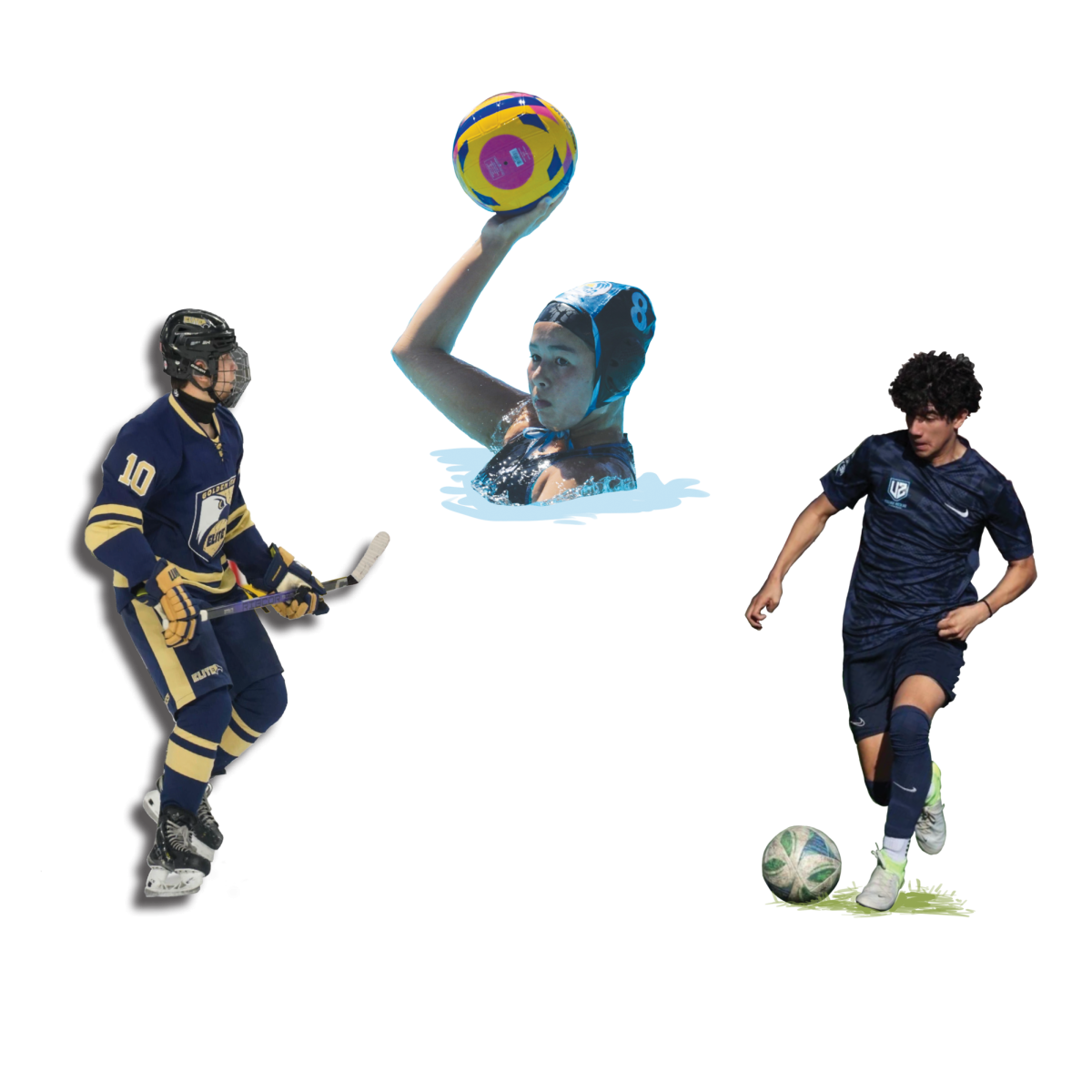
Light spills onto the ice as sophomore Dennis Frenkel — who has been playing hockey for 12 years — weaves between his teammates, battering an ink-colored puck across the rink. Outside, darkness envelopes the building.
“Getting fundamentals such as skating, using the stick properly and shooting goals out of the way early was nice,” he said. “I still need to practice, but I can focus on more important skills that really set me apart as a player.”
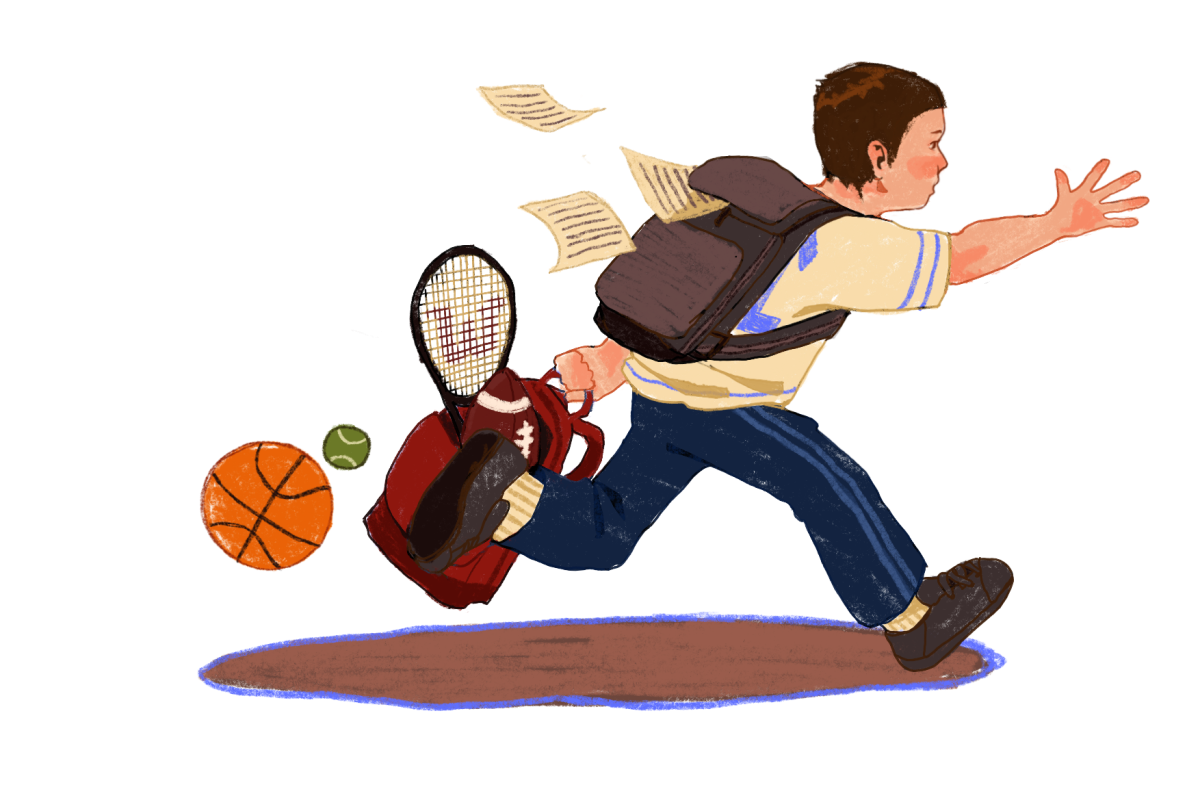
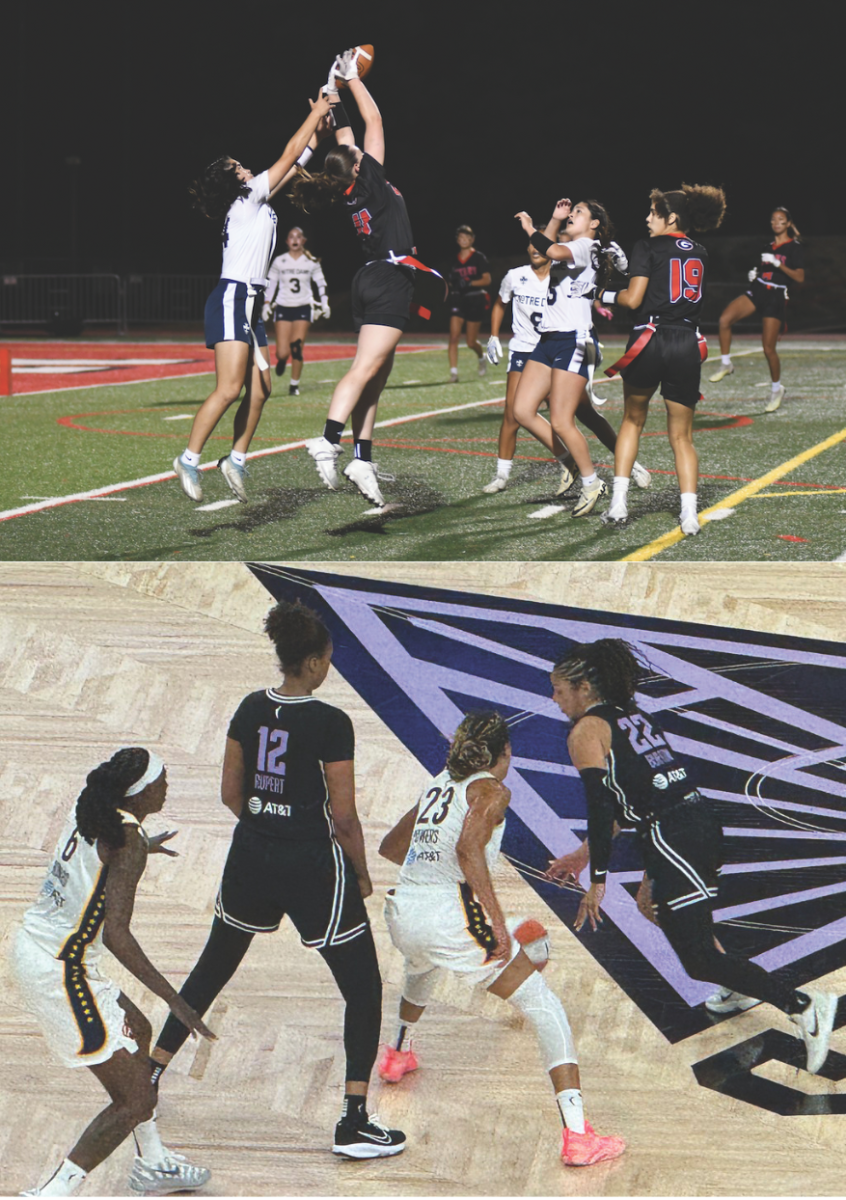
As student-athletes grow and progress within their sports, perseverance becomes a requirement — teens invest thousands of hours of training, drilling and scrimmaging to obtain a chance at medaling in competitions.
“I’ve been told by my coaches, trainers and doctors that hockey is half physical and half mental,” Frenkel said. “You gotta want (success) more than your teammates. So much of that mental toughness (in sports) is oriented around staying focused, even when your team is losing.”
This mindset isn’t unique to ice hockey. As athletes transition from middle to high school, the majority of programs shift from leniency to an approach that demands the unyielding commitment of participants. Practices skyrocket to dozens of hours per week, and athletes saturate the field of competition, capitalizing on small advantages to best their opponents.
“There’s different types of pressure: Friends, family, and supporters all express their expectations in different ways,” Frenkel said. “However, before you start playing, you begin to really focus on your game, and the pressure doesn’t bother you as much (and) motivates you to keep going and to push yourself to the highest level that you can.”
Social expectations increase, too. From freshman year, junior Shreya Jog has found herself in the water. However, when she switched from swimming to water polo, Jog had to rebuild her confidence in the pool. Refining her technique and mindset through training naturally translated into results.
“Before, I was really nervous to take risks,” she said. “Now, I’m more confident in doing so, because what’ll happen if I don’t? A win is a win.”
As she progressed in her athletic career, and eventually making it onto the varsity team, she noticed a phenomenon: Young players mirrored her behavior.
“When I first started, I was on JV,” Jog said. “Then I moved to varsity, and people looked up to me, setting expectations for me to keep my team together, to raise morale and just to stay focused on whatever drills we’re doing.”
For junior Nico Cortez, his sport — soccer — isn’t just about earning recognition for his investment. Although winning inevitably offers satisfaction, the relationships built hold just as much significance to him.
“One of the most important things in soccer is mental strength,” he said. “Anyone can have all the skills in the world, but if they don’t have that mental component, they can’t perform well — whether it’s pre-game nerves, resilience when dealing with injuries or keeping composure in the middle of a game.”
After playing for over a decade, he believes that players define the atmosphere of their teams, and close-knit environments such as soccer are the perfect places to build lifelong friendships.
“I think that the people you surround yourself with are really important,” Cortez said. “If you have good relationships with your teammates, it’s so much easier (to perform) because you kind of get into that zone where you know what to do, and you just focus on the process.”
Ultimately, passion for their sports is what drives these athletes to practice and to perform. Late-night and early-morning practices, losses at competitions and injuries are everyday challenges that they relentlessly work through.
“If someone were to ask me what my three favorite characteristics of myself were, soccer would be among them,” Cortez said. “I feel like it shapes my everyday life.”