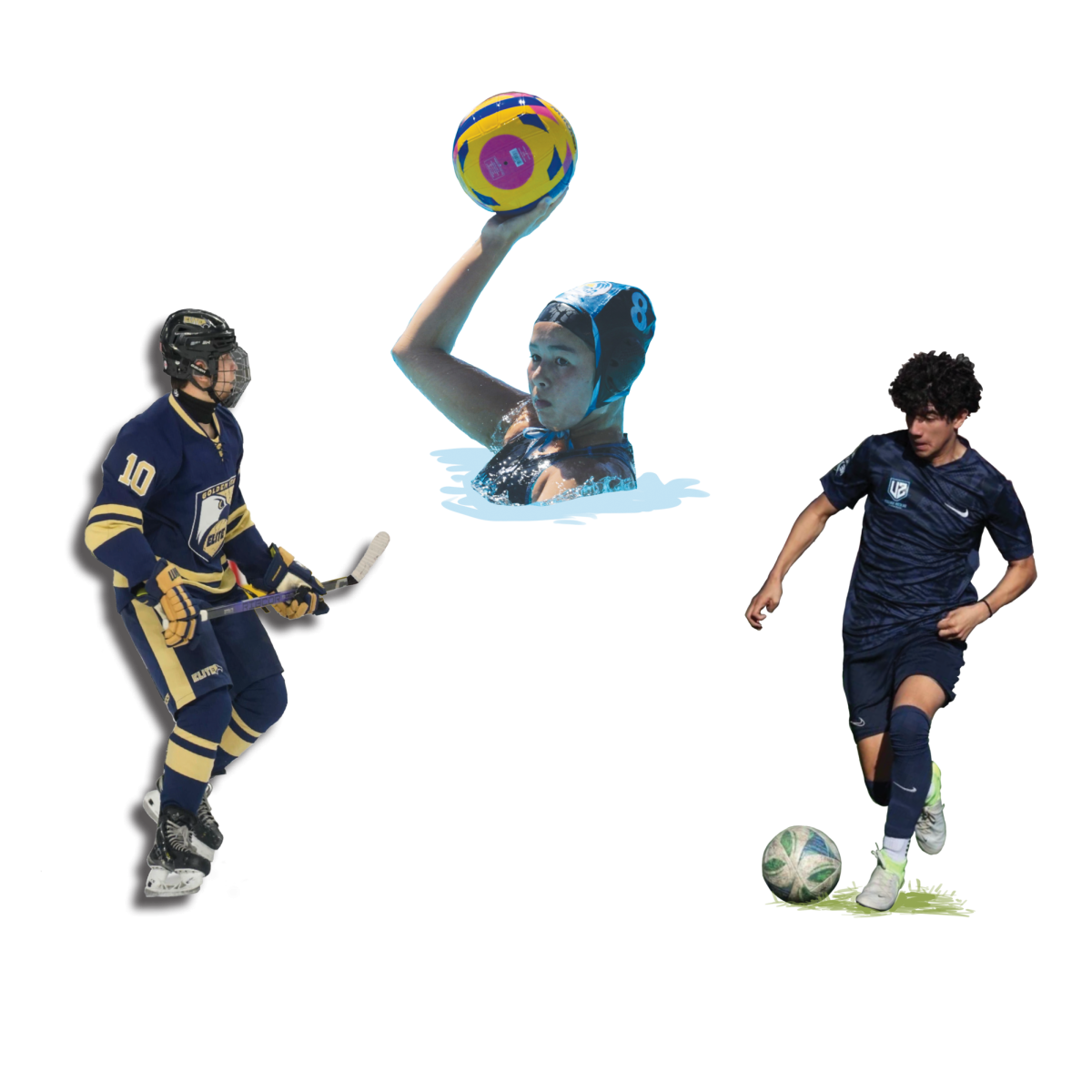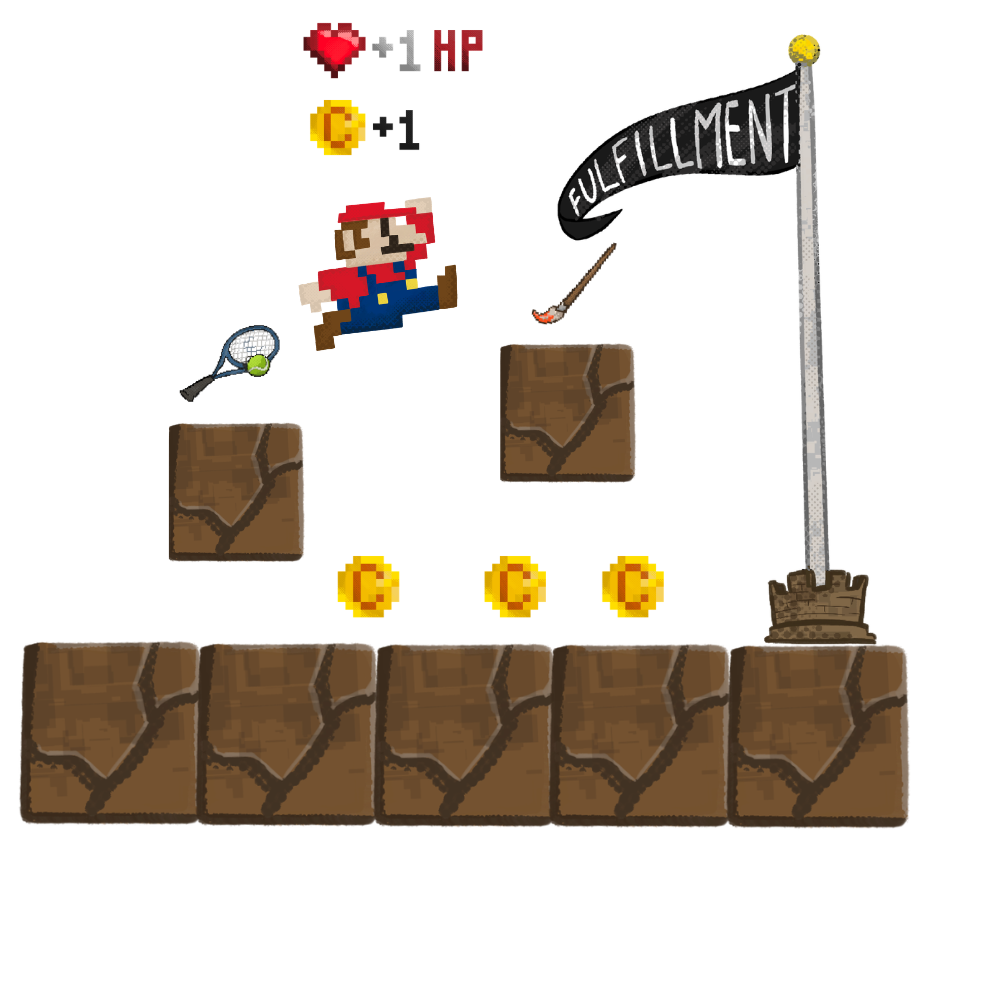
Choosing a new elective can feel like both a personal and academic gamble before the course selection deadline, a decision compounded by pressures of doubling down on the same subject year after year to build a cohesive resume. However, specializing early often shuts the wide-open door to new, truer passions. Instead, high schoolers should branch out and pursue things they have never tried before, both for psychological benefits and self- discovery.
Long-standing trends of branding oneself with a particular focus are rooted in the college application process. Many admissions officers adhere to the “depth over breadth” mantra when reviewing applicants, rewarding higher scores to students who show sustained commitment to one subject rather than diverse involvement across many, according to the National Association for College Admission Counseling. The rigidity of this expectation prompts students to find their specialty as early as freshman year. Admissions officer Daniel Berkowitz of Cosmic College Consulting reveals that the system was not always this way. Before, many could enjoy high school with a diverse pool of activities and classes, but this proves not to be the case today. In the 1900s, “well-rounded students” who committed to varied pursuits were more commonly admitted to top schools. But as high school graduation rates and the rising popularity of pursuing higher education rose, a more selective checklist for applicants emerged. For admissions officers, comprehensive knowledge and love for something is considered more valuable because it indicates a desire to continue building upon it as a major or career. However, when worth is solely based on how colleges perceive you, it enforces an unhealthy message: If you haven’t already invested years in something particular, it is “too late” to make it meaningful.
Overspecialization can be explained through psychology. A 2024 study by Fitri Ayu Kusumaningrum of Universitas Islam Indonesia found that among the surveyed adolescents, 22.9% struggled with identity foreclosure, characterized by the refusal to explore alternative experiences and committing to new decisions such as their future careers. Identity foreclosure can arise when parents, peers or mentors make assumptions about their future or force their own expectations on the individual. Ironically, high school is when the most exploration should occur, yet students miss this point when avoiding new opportunities. According to a WebMD article by Nicklya Harris-Ray, identity foreclosure can also cause anxiety. Applied to high school, this closed mindset keeps students confined to what they already do well. The instinct to stick to our strengths limits us over time. Comfort turns into constraint, and growth in unexplored areas stalls.
Feeling uncomfortable when out of your element proves beneficial for character development. A 2023 study by Psychology Today found that while 41% of people felt fear when breaking out of their comfort zone, 70% felt courageous because facing their anxieties motivated them to keep going. Learning to overcome these initial fears is an important life skill that translates beyond college applications — courage is used in everyday life, relationships and setting boundaries, just to name a few. Not only that, but also struggling through something difficult is ultimately more rewarding than constantly thriving in one area. In the grand scheme of things, learning life skills and mental self-care is more important than overworking time and time again in the name of achievement. None of this is to say depth lacks value. In fact, it does reflect discipline. The problems arise when specialization is driven not by a genuine enthusiasm for learning, but by seeking recognition. What gets dismissed as a lack of focus when someone diversifies their activities and interests is often simply risk-taking that requires bravery and catalyzes skills you cannot master without determination. So, when you look at the club list or your parents ask about your summer plans, step into the shoes of a beginner.
Exploration may not always translate neatly onto an application, but it does mirror self-confidence and a fuller self-
understanding. After all, you’ve been a beginner at the very thing you’re gifted at now — who says you can’t do it again?