Something has shifted in how people think about their place in the world. More and more, a simple philosophy has taken hold: “You don’t owe anyone anything.” “Look out for yourself.” “Invest time only where there’s a clear payoff.” It sounds liberating, even empowering. But this mindset comes with costs that are only beginning to be understood.
In a massive Seoul National University-led 2020 study tracking 636,055 adults in South Korea, people living in neighborhoods with higher collective trust and reciprocity lived longer, with lower rates of death from cardiovascular disease and cancer. This wasn’t because they smoked less or exercised more. The protective effect remained even after accounting for those healthy lifestyle choices. This suggests that social cohesion itself may shape population health in ways individual choices alone cannot.
According to a St. Louis University study published in 2013, across many populations and study designs, communities with stronger trust and reciprocity tend to have better health outcomes compared with less connected ones. Beyond mortality, large systematic reviews and meta-analyses show that people living in more connected communities tend to be healthier. Studies on social capital research — which focuses on the networks, trust and norms of mutual aid — associate higher levels of social connection with better self-reported health and reduced risk of death overall.
Research from the Finnish Department of Health in 2013 adds another layer to this picture by showing that social participation is independently associated with healthier behaviors and better self-rated physical and psychological well-being. All in all, this too complicates the preconceived notion that individualism and the “I owe nothing” attitude are helpful or advantageous.
Physical health tells only part of the story. When people withdraw from contact with others, convinced they owe nothing to those around them, they lose something harder to quantify but just as vital: the buffer against life’s inevitable hardships.
Trust isn’t some abstract virtue floating above daily life. It shows up in small, ordinary moments, like a friend checking in with you when you go quiet or a coworker sharing advice without guarding it. Those moments lower stress in ways people feel but rarely name. When you’re not constantly braced for disappointment or exploitation, your body stands down. Over time, that calm accumulates, shaping mental health, physical resilience and how long people stay well enough to show up for others again and again throughout their lives.
Across studies, stronger neighborhood trust and mutual support correlate with better moods, less loneliness and greater life satisfaction. In these settings, social networks function as emotional infrastructure, scaffolding that holds people up when everything else threatens to collapse.
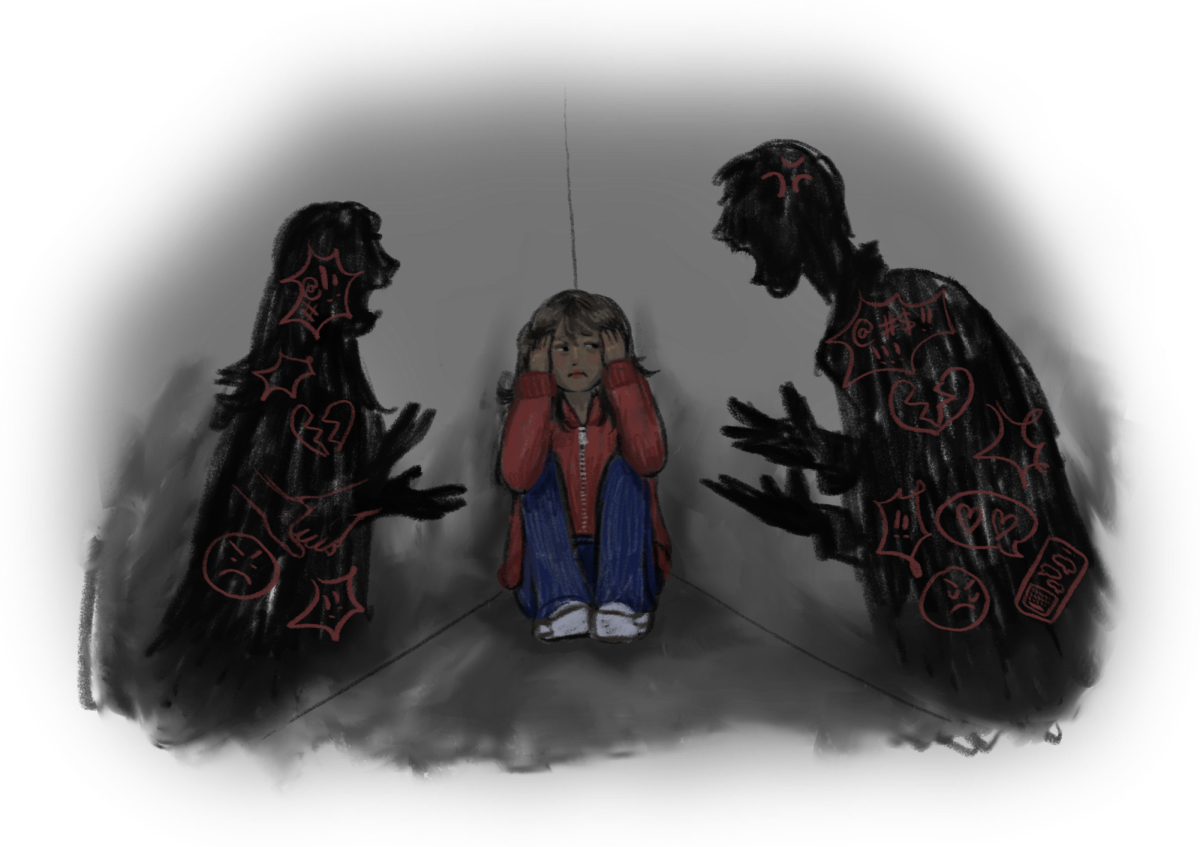
Strip that away, and what’s left? The answer is already being lived around the world. Loneliness and isolation increase risk for depression, anxiety and cognitive decline. They diminish quality of life in measurable, devastating ways. The “I owe nothing” attitude doesn’t free anyone. It isolates.
The objection is predictable. It sounds like guilt-tripping people into obligation, as though social connection requires self-sacrifice in the name of some outdated sense of duty. But that fundamentally confuses what reciprocity means.
Reciprocity isn’t a burden carried for someone else’s benefit. It’s an investment in a system that benefits everyone, including the person making the investment. When communities operate on trust and mutual aid, they become resilient. They can weather economic downturns, natural disasters and personal crises. They create environments where information flows, where help is accessible and where people look out for one another not because they have to, but because it works.
Perhaps the deepest misconception about the “owe nothing” mentality is that it represents true freedom. It doesn’t. Real freedom isn’t the absence of connection but the presence of meaningful choice within a web of relationships that sustain.
Communities built on trust and reciprocity are dramatically healthier and happier. When people tell themselves they owe nothing to anyone, they make a trade without full awareness. They exchange the illusion of total independence for the very real benefits of interdependence. Isolation gets chosen over resilience, loneliness over belonging and — whether anyone realizes it or not — sickness over health.
The path forward isn’t complicated. Society doesn’t need revolutionizing. Autonomy doesn’t need sacrificing. Mutual responsibility, civic engagement and social reciprocity aren’t constraints on human flourishing. They’re conditions for it. The question isn’t whether communities are worth investing in. It’s whether anyone can afford not to.