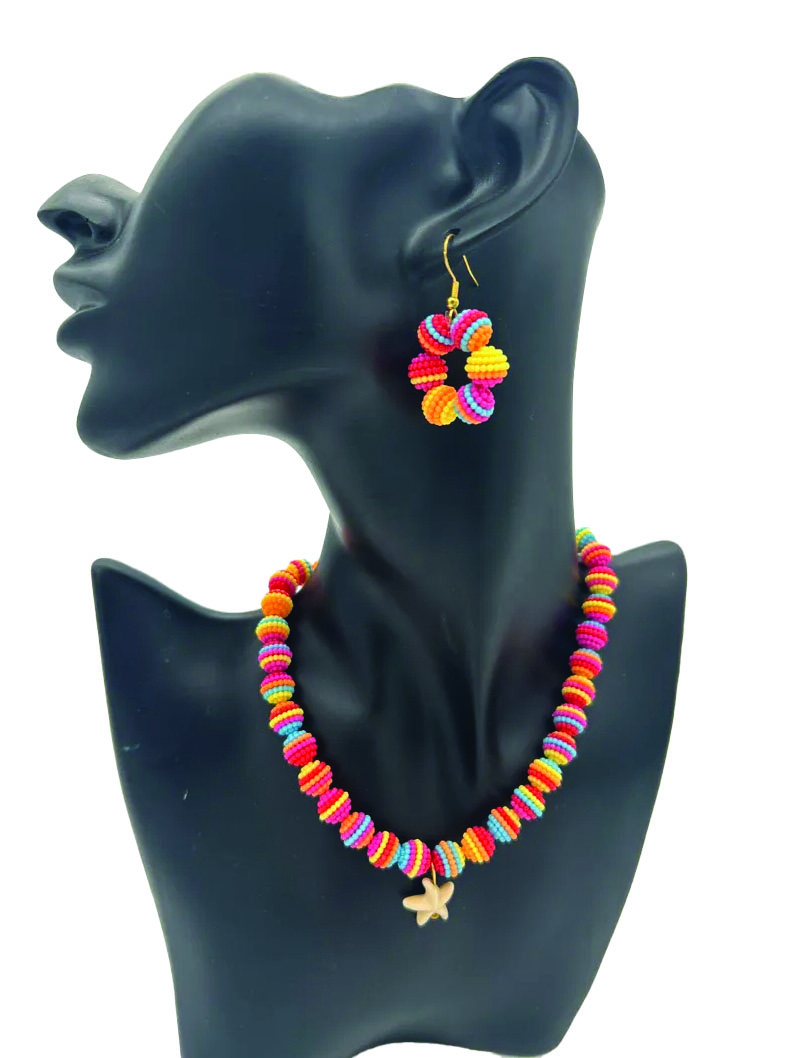
Today, digital and Polaroid cameras can be spotted from miles away, becoming tools to recreate the retro vibes of the Y2K era, which refers to the late 1990s and early 2000s. Fashion items — like small shoulder bags, low-rise jeans and velour tracksuits — have also made a comeback.
Despite the growth of modern trends today, many born in Generation Z romanticize the past, especially the Y2K era. According to a 2023 survey by consumer trends tracker GlobalWebIndex Zeitgeist, 56% and 37% of Gen Z respondents feel nostalgia for the 2000s and 1990s, respectively. Their nostalgia for a decade they did not experience first-hand is an interesting psychological phenomenon.
With so many decades and past trends to choose from, why has Y2K become so popular? Well, it’s because of the 20 years that have passed since the 2000s, which turns out to be the perfect time period to feel nostalgic.
This is explained by the 20-year cycle theory, which was proposed in the 1930s by English museum curator James Laver. According to the theory, trends will inevitably come back in cycles that repeat every 20 years. Romanticizing the past isn’t unique to just our generation. While Gen Z in the 2020s yearn for the 2000s, the 1980s nostalgia was just as pervasive in the 2000s.
In a digitalized society, it’s very easy for Gen Z teens to be exposed to Y2K trends online and revive old trends by reusing items. With numerous societal problems today, such as political polarization and climate change, aestheticizing items from the past becomes a source of psychological comfort that allows Gen Z to find peace and avoid society’s tumult.
For sophomore Victoria Segal, the 2000s reminds her of her childhood where the environment seemed more positive.
“It takes me back to being a kid with all the old teen movies, and there was a lot more excitement in the (1990s and) 2000s with all the colors,” she said. “It makes me think of my childhood before social media, (with) the colorful, sparkly (elements) and clothing. It makes me happier because it reminds me of a time where I was carefree about the world.”
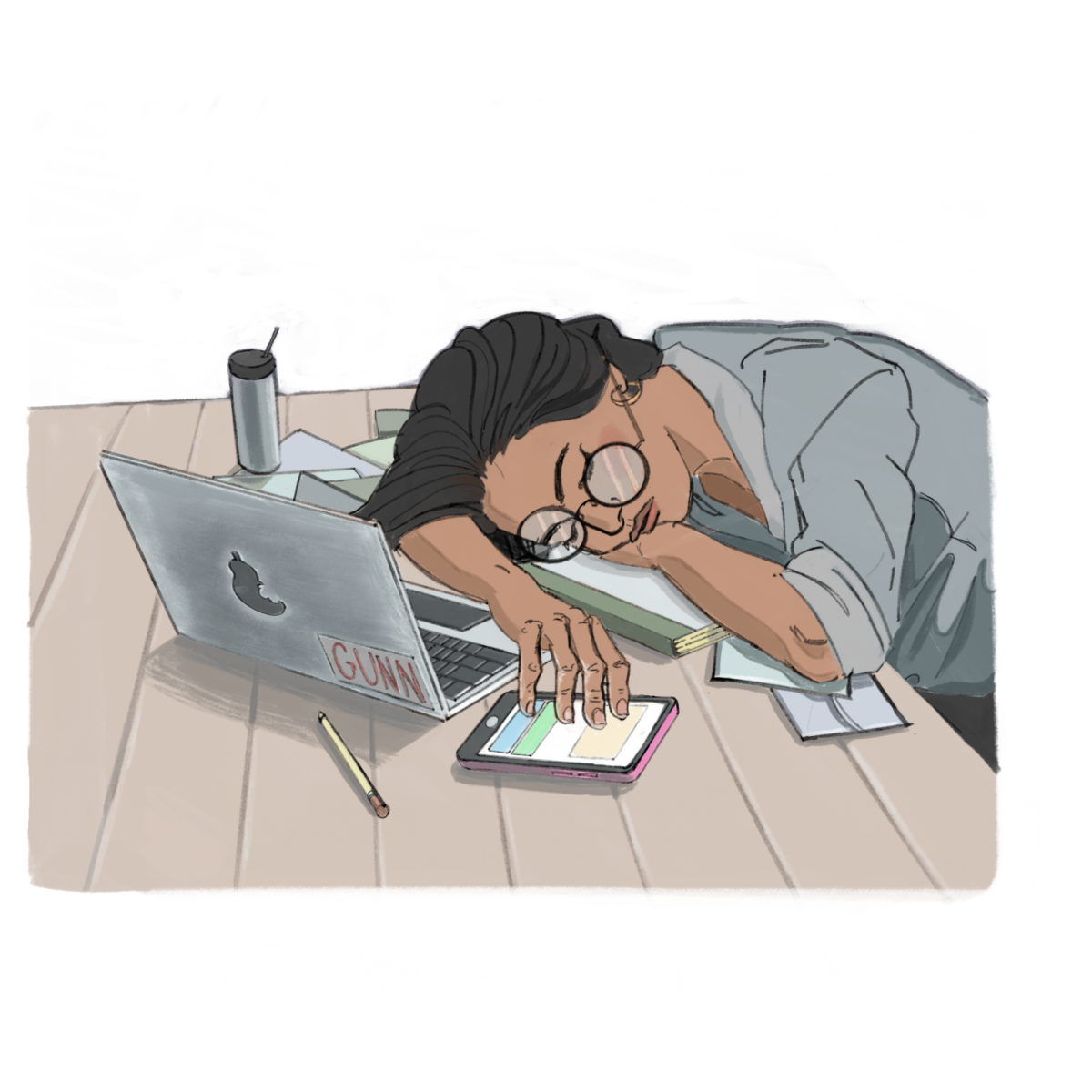
Segal reminisces about the past mainly due to school-related stress that often overwhelms her in the present.
“I definitely feel (nostalgia) because life is changing so much right now and it’s full of stress, so it’s nice to go back and remember the moments,” she said. “Now, there’s so much stress because (of factors such as) colleges and APs.”
Due to these stressors, Segal often seeks comfort from Y2K trends, and especially enjoys wearing Y2K fashion, such as baggy jeans and goth clothing. These items are seen as more expressive and colorful than current trends that lean more towards minimalism or fast fashion due to the more carefree vibe back then.
Gen Z often refers to the 2000s, especially, as “the good old days,” even though the good old days had problems of their own. While romanticizing the past could be the result of sidestepping today’s turmoil or counteracting stress, appreciating and cherishing the present could help the younger generation discover more meaning in the present.