Stadiums across the United States glitter with thousands of fans waving light sticks as K-pop idols energetically perform intricate choreography in flamboyant outfits. On Spotify, South Korean boy-band BTS — one of the most recognizable K-pop groups — has surpassed 80 million followers, becoming the first Asian group to do so. Now, the United States is experiencing a cultural phenomenon that resonates worldwide: a mainstream obsession with the K-pop industry, including the idols themselves.
This wave of growing fervor comes as part of the rise in global recognition for all South-Korean media, termed “Hallyu” — which translates to the Korean Wave. Beginning in the 1990s and spiking with artists such as BTS and Blackpink, K-pop popularity has been encapsulated by the trending 2025 Netflix film KPop Demon Hunters.
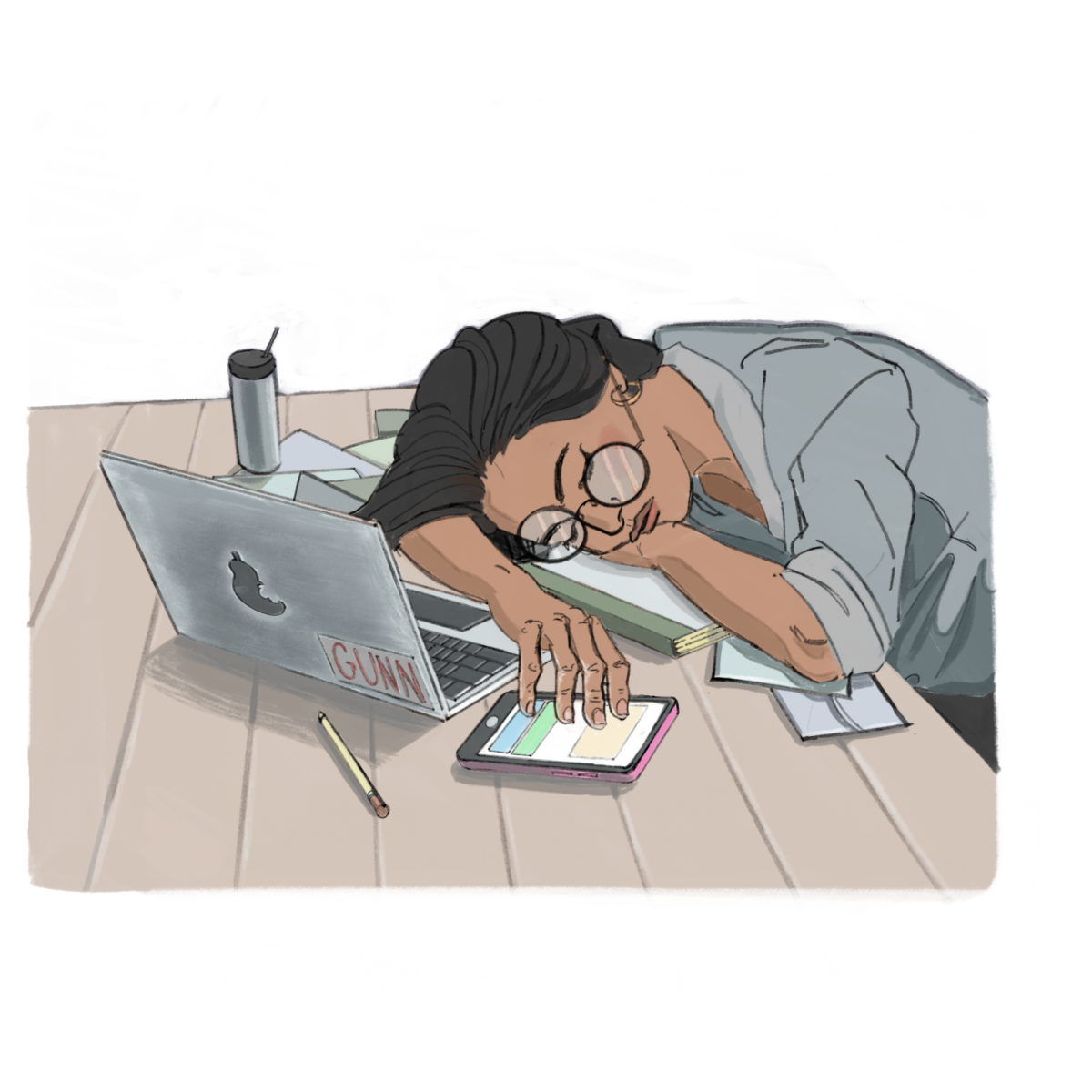
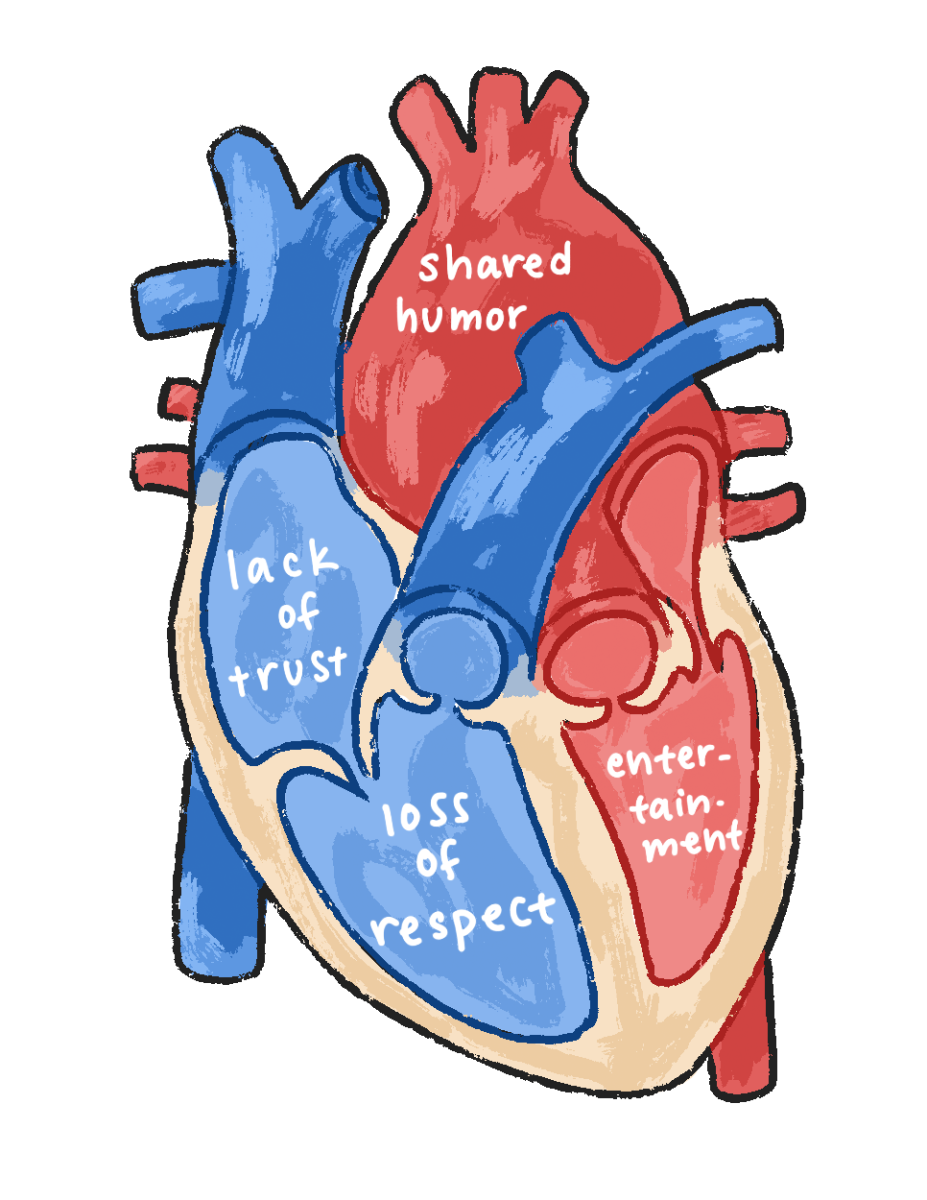
However, the influx of fans and attention has raised concerns about the industry and toxic fan behavior, specifically idolization, or excessive admiration for a person or object. Marketing and communication on social media platforms such as TikTok and X have fueled America’s obsession with K-pop stars, creating a continuous loop of fan-idol interaction. While these apps can aid in building closer emotional ties to their audiences, delusional fantasy is fed. As pop icons constantly post personalized content like vlogs, they indirectly foster a false sense of familiarity with fans, who might feel obligated to keep up with their idol’s private life.
Junior Yash Chaube has witnessed this unhealthy behavior. As a four-year fan of K-pop boy group Stray Kids, he enjoys listening to his favorite band and appreciates the diverse range of emotions that their music evokes. However, Chaube notes the balance between finding belonging in entertainment and losing touch with reality.
“I definitely see loss of focus overall in the media,” he said. “You call it ‘stanning’ when you overly support a group or person. Extreme obsession can lead to having an almost mono-personality where it’s just your whole life (that) revolves around that group or person.”
As part of these parasocial relationships, where a fan forms a one-sided bond with a public figure, a competition to show dedication to their idols becomes full blown. This commitment is a reflection of participatory culture, where individuals actively spread and create media. Fans may spend money and time creating social media accounts and videos, competitively streaming music and buying merchandise or fundraising to increase media attention. In some extreme cases, fans may even go as far as engaging in stalking behavior or online harassment, sparking concern for a lack of idol privacy and toxic fandoms. Although most fans show their support through harmless ways, the blurry boundaries can quickly spiral into hostility or emotional distress.
With such large numbers and enthusiasm in fandoms, peer pressure is a prevalent issue. The idea that others are all doing the same thing heavily influences and reassures fans certain behavior, whether innocuous or harmful, is acceptable.
“In the early stages, I was kind of concerned, like ‘am I supporting enough or am I supporting too little,’” Chaube said. “That kind of thought just kept popping into my head at first. I definitely want to support them, but in general, I don’t feel the need to support them, like people getting tattoos. I’m not at that level.”
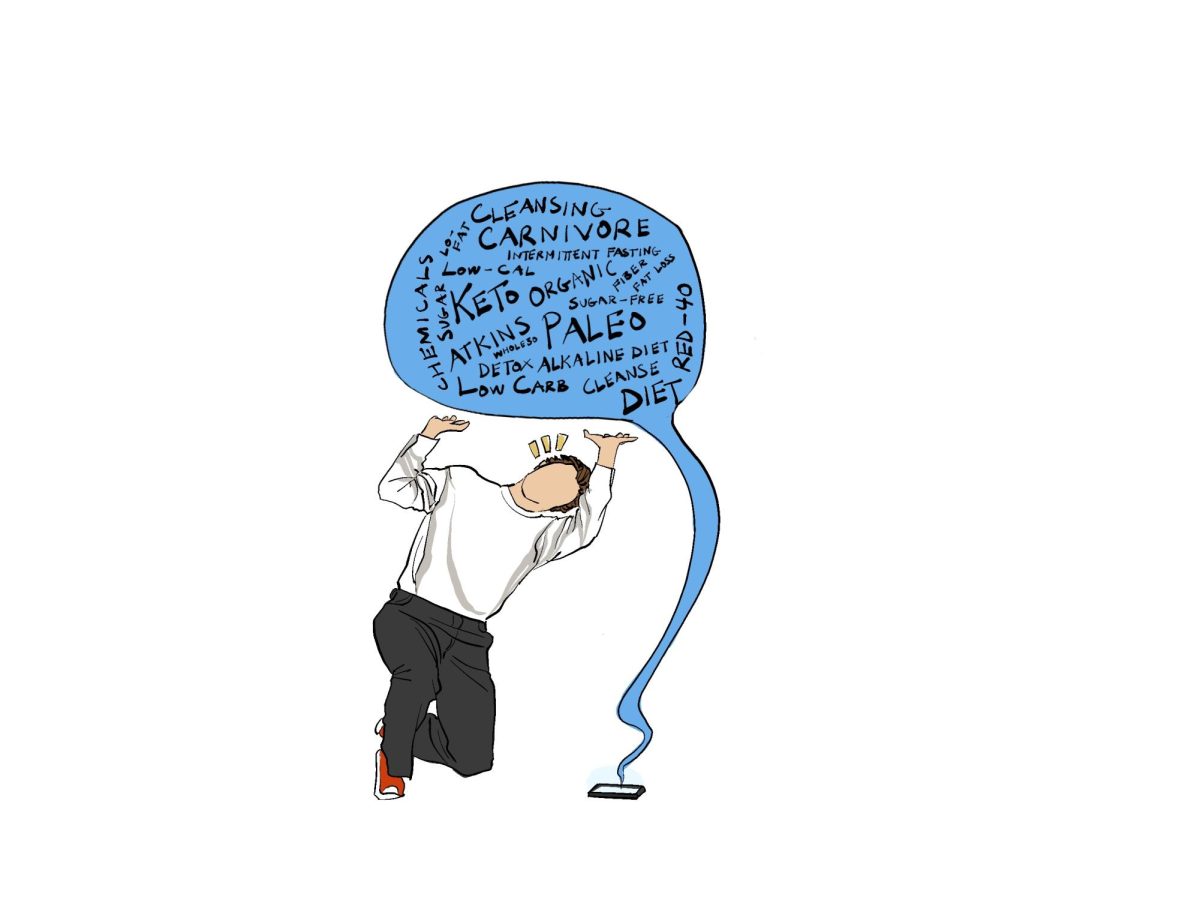
Compared to the Western market, the K-pop industry has captivated a variety of audiences with its fusion of music genres, synchronized dance moves and unique fan service. But embedded in the aesthetics and talents, idols undergo hours of disciplined training, restricted diets and the pressure to maintain public image. For example, freshman Leland Liao, an avid 3-year K-pop listener, believes that the K-pop industry promotes excessive plastic surgery and constricting diets, creating beauty standards that are unattainable naturally.
“I kept comparing myself to people who are under the perfect lighting, who have had surgery done to have the perfect facial structures (and) who have undergone seriously unrealistic diets to be able to maintain a certain body shape,” he said.
Portrayals as flawless figures can lead fans to turn to unhealthy habits in hopes of emulating these futile goals. Unintended consequences include feelings of inadequacy, insecurities, body dysmorphia and frequent comparisons.
Even so, sophomore Claire Sim, a four-year K-pop fan of the band Seventeen and the K-Pop Club president, highlights that one can consume K-pop content simply for enjoyment. She has found a positive healthy community to explore the different styles of music in.
“Being a K-pop stan, you don’t necessarily have to do all the things that you see online,” she said. “Just listening to their music and enjoying the community with the idols are what I think is a great way to enjoy your life as people like any other artists.”