Hallmark of early facial-altering technology, the Snapchat face-swap filter is a fun lens well-known to many longtime Snapchat users, reaching peak popularity in 2016. However, image alteration platforms take on a new role when considering the evolution of software: platforms used to have a goal of fun, interactive experiences for users. However, artificial intelligence has entered the realm of dangerous possibilities for the many who are unable to distinguish AI-generated videos from real media. While cats baking a cake or Donald Trump singing a viral song are relatively harmless uses of AI, much of the work created by generative AI can have lasting, dangerous effects that run rampant due to a lack of effective regulation.
Without proper legislation and enforcement, AI has the power to spread misinformation in the hands of those with dangerous intentions. In January 2025, Trump signed Executive Order 14179, effectively removing the limitations on American AI development that Biden had previously set to mandate safety testing. In addition, Trump signed The Known Exploitation by Immobilizing Technological Deepfakes on Websites and Networks Act (TAKE IT DOWN) in May 2025, which prohibits the publication of AI-generated explicit images, and in case of publication, requires the photo to be taken down within 48 hours. However, this act has not yet been effective. For instance, deepfakes — false videos of real individuals, often sexual in nature — carry malicious intents that endanger the lives of subjects, and are still found commonly across the internet. The potential to ruin lives with AI-generated nudes or impact careers by creating a video of someone using a slur is
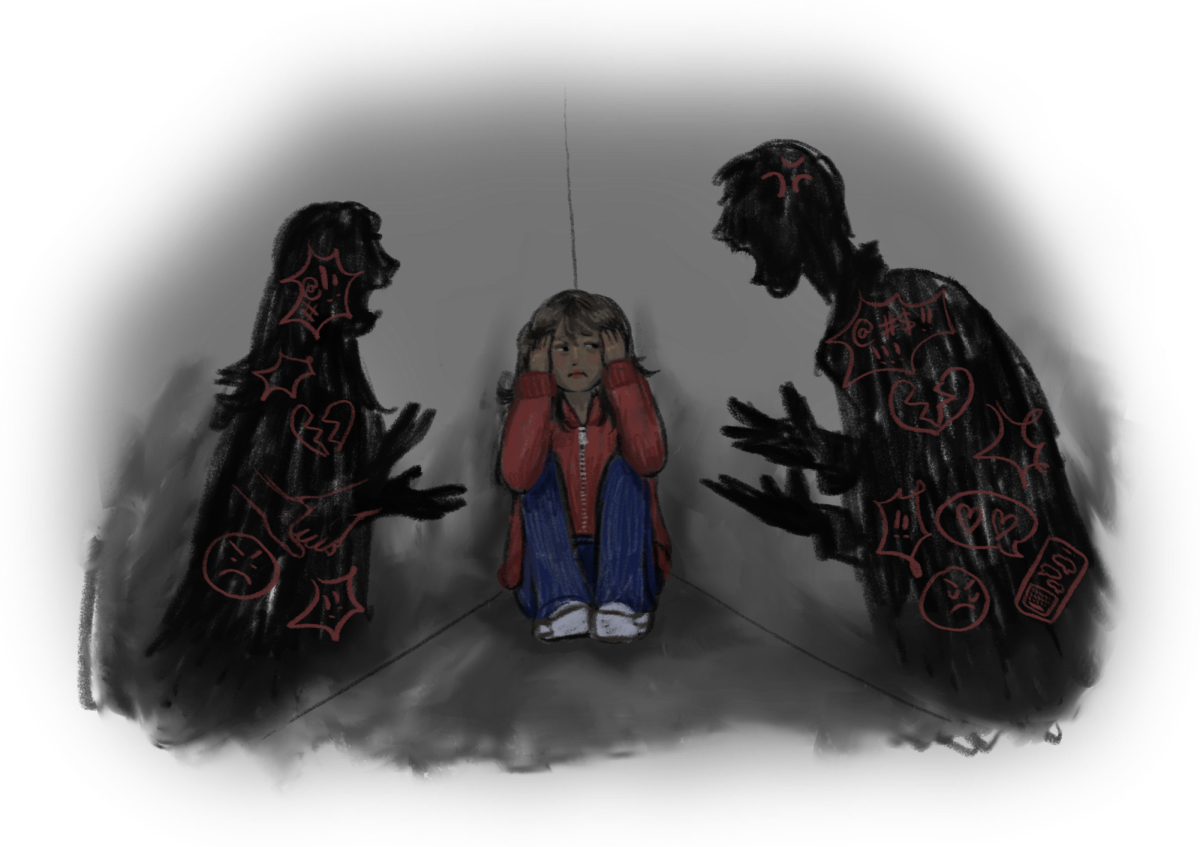
far too easy. In 2023, the U.K.-based charity Internet Watch Foundation found that AI-generated images of children in a sexual nature are becoming available on a subscription basis, allowing users of specific sites to pay to receive pictures monthly. The lack of generative AI moderation causes harm to unsuspecting minors, permanently altering their online, and real, presence and perception.
Left unchecked, AI can be weaponized in political campaigns to attack opponents, manipulate public perception and mislead voters. According to the U.S. Department of Homeland Security, prominent cybersecurity company FireEye found images that were artificially generated in order to promote the Lebanese political party. AI skews how constituents form their beliefs due to abusive and unethical tactics utilized by international politicians, jeopardizing the integrity of
governments.
To solve this pressing issue and fix the shortcomings of the TAKE IT DOWN Act, legislation should mandate watermarks that clearly label AI-generated content. While it may be impossible to altogether stop the creation of deepfakes and other products of generative AI, as seen with the TAKE IT DOWN Act, there is still a path forward. To fix the problem, it must be addressed at its roots: the companies. TAKE IT DOWN has failed largely because it leads to delayed reactions that allow for over two days of reshares, screenshots and potential to go viral. Google’s creation of SynthID, an invisible tool marking AI products, is a first step. However, invisible watermarks may fall short in any setting beyond the academic. To protect the public, visible watermarks are necessary to ensure users can immediately recognize fabricated media. For example, OpenAI’s Sora features a small logo on each AI-generated video, indicating its origin. California has also begun promoting legislation in a similar direction. Effective in January, the California AI Transparency Act requires generative AI platforms to have a feature where users can detect AI content or add a watermark. This bill is a start to the regulations that need to become much more widespread.
Of course, there is the issue of national versus international jurisdiction. That is, if the United States is the only country to regulate AI-generated content, companies may move operations abroad to bypass domestic laws while still influencing U.S. audiences. This reality calls for worldwide cooperation. As with international agreements, such as the Paris Agreement on climate change and the Geneva Conventions on humanitarian law, effective AI governance should require coordination beyond national borders. As technology grows more powerful, so do the risks. Generative AI has increasingly fallen into the hands of those willing to exploit a public that cannot distinguish altered media from the real world anymore.