In our post-pandemic, AI-and-technology-ridden, politically hostile, fast-paced life, the loneliness epidemic, this grey filter blurring the warmth communities and connections are meant to offer, is now a more pressing problem than ever.
I read a quote somewhere (from TikTok, unfortunately) that said, “In order to have a village, you have to be a villager.” It all sounds so simple, but what does it mean to be a villager?
I’ve grappled with that question in a lot of friendships in the past. Does being a villager mean 100% sacrifice with no expectations of a favor being returned? Does it mean perpetually prioritizing the happiness of others over yourself? Or feeling responsible for their every bad day? As someone who has been trapped in those scenarios before, I can tell you that it doesn’t equate to fulfillment, just deep burnout and stress.
There’s definitely a delicate balance, but in a world where social media artificially creates friendships that are low-effort to maintain, it’s difficult to find genuine, non-transactional relationships. When you post a birthday story, comment on a post and tag your friends in videos, it’s easy to feel like you’ve done enough for the friendship, that you’ve done all you’re “supposed to do.” The account feels settled. Yet this thinking doesn’t encourage us to spend quality time with the people we love, pick them up from the airport at 4 a.m. or offer to make them soup when they’re sick. After all, the saying refers to it as a village, not an E-community.
Another one of the biggest reasons for our widespread loneliness is a collective loss of empathy when humanity is impersonalized through a screen. Especially following the boon in mental health awareness, we are encouraged to always put ourselves first, build a space where we are the most comfortable and prioritize our own comfort always. I’m not saying at all that this is wrong. In fact, I think past-people-pleaser-Kaylee would have benefited a lot from adapting this philosophy. However, this mindset can’t be the only way we move through the world. You can’t avoid everything that is an inconvenience by making the case that “you gotta put yourself first.” Don’t cancel plans just because you suddenly don’t feel like hanging out. Don’t cut people off without putting in the effort to have a genuine conversation and try to fix the issue — because when it comes to people you love, those hard conversations are the things that prove you care.
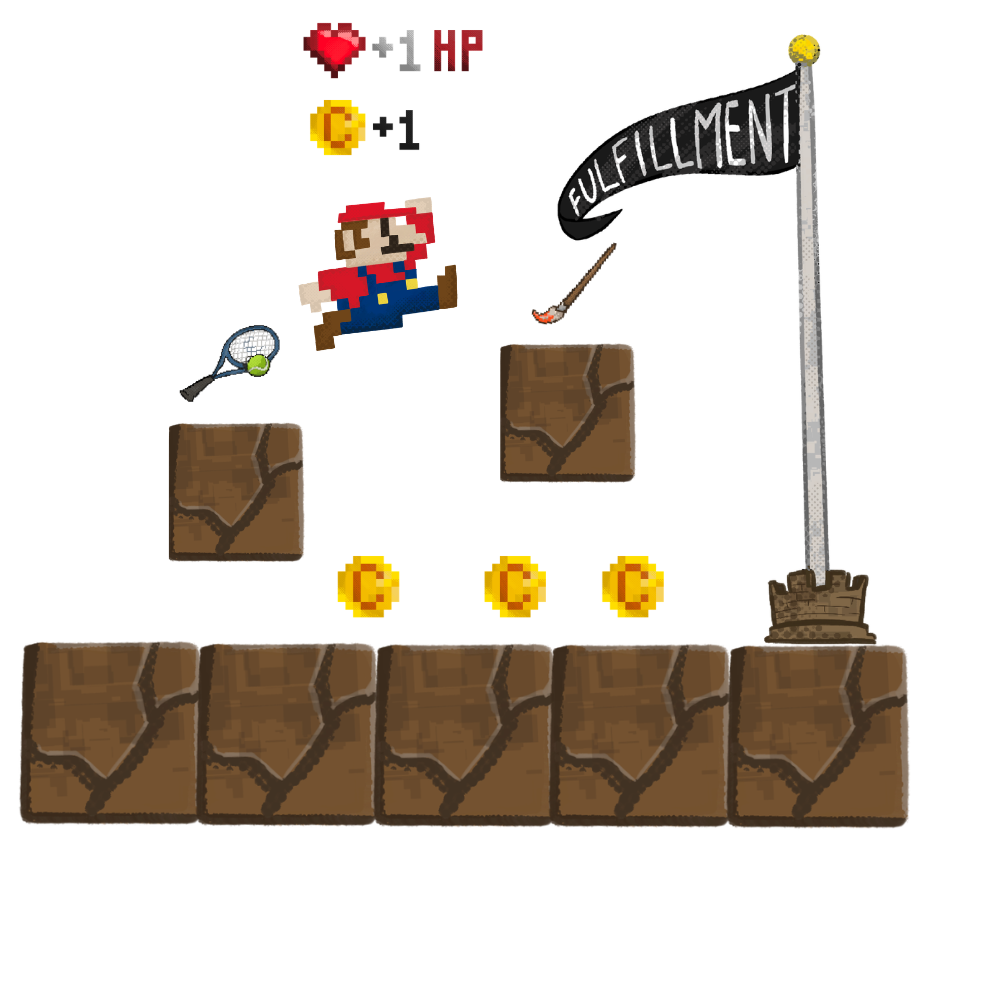
I am grateful every single day for not only having met my friends, but more importantly, for feeling my effort, vulnerability and presence reciprocated in a tangible way needed to keep real relationships alive. This metaphor of finding my “village” has been an unspoken mentor in my journey to unlearn previous instincts and reach out to others with a renewed confidence. Being part of a village does not mean forgetting yourself and who you are. It is an assurance of the important role you hold in others’ lives.
Ultimately, if we crave community and fear loneliness, then making interpersonal connections remains a choice we consciously keep making, and eventually, you will find the people that you mutually ride or die for.